Short answer: Yes — but not always the way you expect.
Wealthy people carry what makes sense for their lifestyle: sometimes that’s a slim leather wallet, sometimes a money clip, sometimes nothing at all beyond a smartphone and a few cards. What they almost always prioritize, however, is quality, convenience, and security — not the size or the brand name.
Let’s unpack what “carrying like the wealthy” really looks like today, why it’s different from the stereotype, and how anyone can apply the same practical approach.
The myth vs. reality
Pop culture sometimes paints the wealthy as flashing thick stacks of cash or ostentatious accessories. In reality, modern affluence trends toward discretion and efficiency. Carrying large amounts of cash is uncommon among the wealthy because card acceptance and digital payments are ubiquitous and safer. Instead, the wealthy tend to choose slim, well-made solutions that match their routine and priorities.
Key realities:
– Digital-first payments reduce the need for cash.
– Minimal bulk is preferred for comfort and a clean silhouette.
– Investment in quality (materials, construction) is common because it lasts and signals good taste without shouting.
– Security and redundancy (cards, concierge services, travel wallets) matter more than brand flash.
What wealthy people actually carry
Here are the most common choices you’ll see among affluent, pragmatic individuals:
1. Slim leather wallet or cardholder
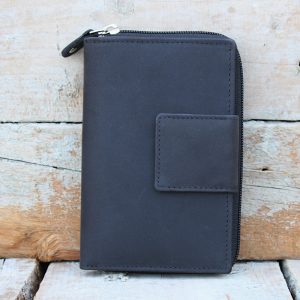
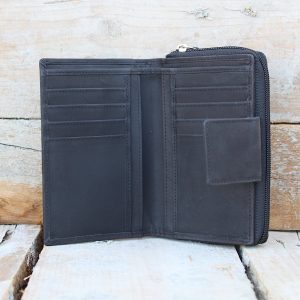
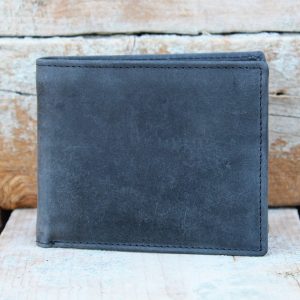
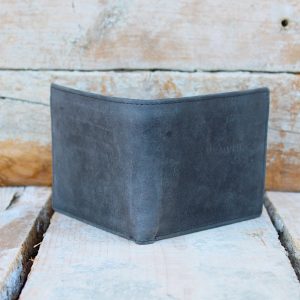
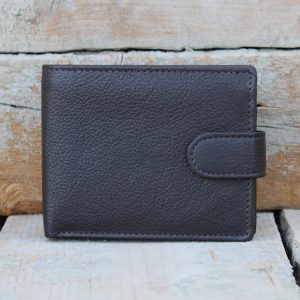
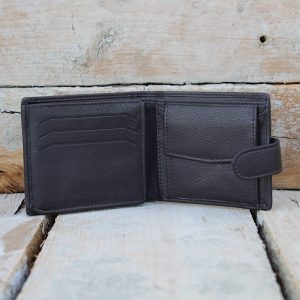
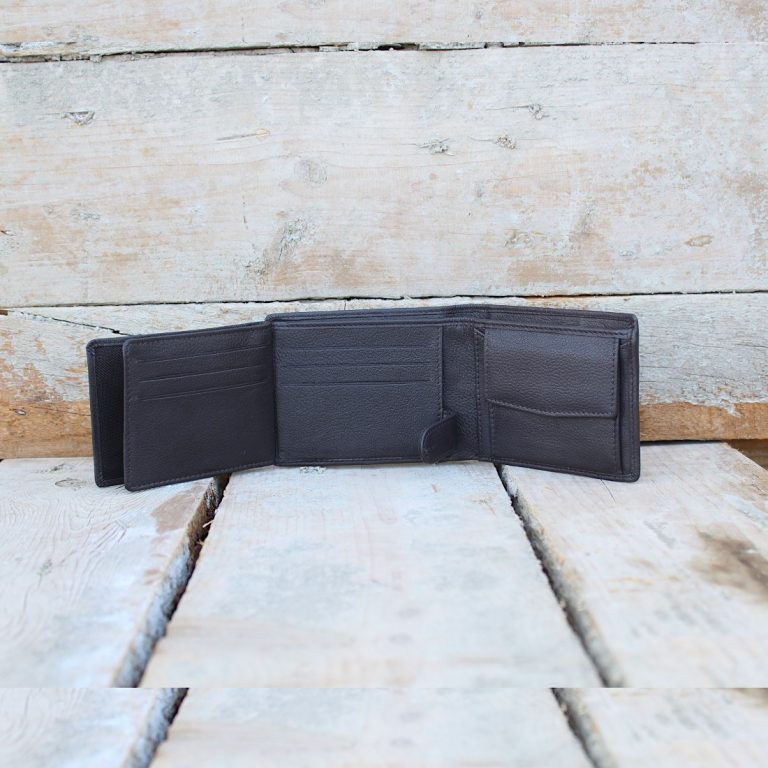
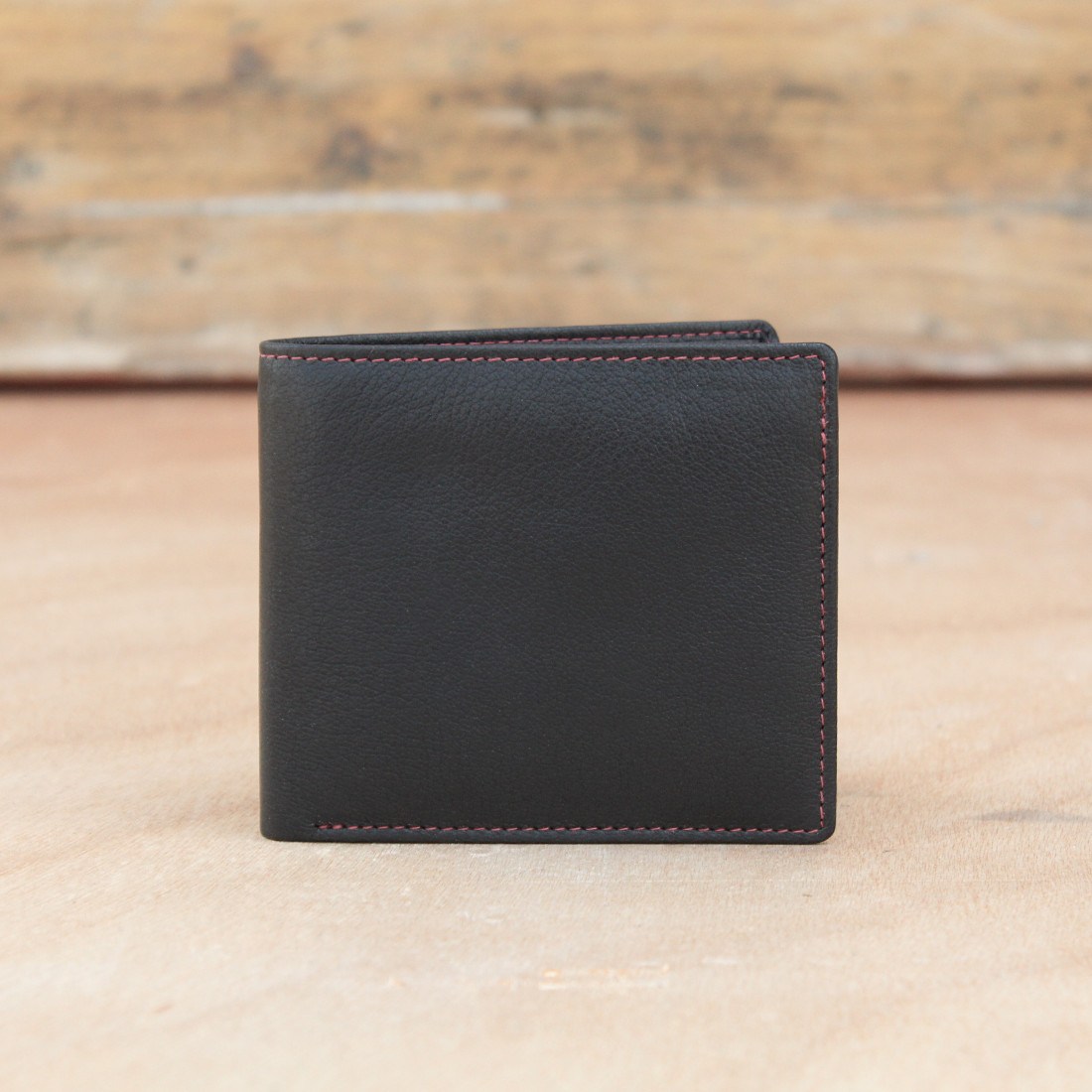
A compact, well-constructed item that holds essential cards and one or two folded bills. It minimizes pocket bulk and looks refined — especially in premium leathers like full-grain or Crazy Horse.
2. Money clip
For those who only carry a few cards and occasional cash, a money clip (often paired with a thin card sleeve) is elegant and quick.
3. Phone wallet / MagSafe card sleeve
Many people, wealthy included, increasingly rely on their phones for payments and use a slim MagSafe sleeve or adhesive card holder for the occasional card — minimal and convenient.
4. Travel wallet or passport wallet
Frequent travelers favor larger organizers that safely hold passports, boarding passes, multiple currencies, and important documents — usually stowed in a briefcase or carry-on, not a trouser pocket.
5. Concierge or corporate cards, emergency access
Affluent individuals often use concierge services, premium credit cards, or corporate travel tools that reduce the need to carry cash or many cards.
6. Nothing (a conscious choice)
Some go cardless on quick errands if their phone handles payments — but they still retain organized backup at home or in a secure bag.
Why wealthier people tend to avoid bulky wallets
– Practicality & comfort: Bulky wallets distort suit lines, bulge pockets, and are uncomfortable when sitting.
– Security: Carrying a lot of cash increases risk. Cards and phones with biometric locks are safer.
– Aesthetic discretion: Wealth often prefers subtlety — good taste rather than loud logos.
– Efficiency: Slim wallets and digital payment systems speed up transactions. Time is also a form of wealth.
Luxury vs. function: What they spend on
Wealthy buyers care about craftsmanship more than price tags. Common priorities:
– Full-grain leather (durable, patinas nicely)
– Hand stitching and edge finishing (for longevity)
– Customization & personalization (monograms, bespoke sizes)
– Practical features (RFID shielding, quick-access slots, travel compartments)
– Brand heritage: Some prefer small artisan makers over giant fashion logos because of quality and rarity.
Buying high-end isn’t about splurging for a logo — it’s about paying for materials, construction, and a piece that lasts decades.
Alternatives wealthy people use for convenience & security
– Digital wallets (Apple Pay, Google Pay) for quick, secure transactions.
– Virtual cards / one-time use numbers for online privacy and fraud protection.
– Concierge services or travel wallets that centralize documents and access.
– Secure wallets with tracking (some smart wallets include Bluetooth trackers).
– Bank concierge or corporate card programs that reduce the need to carry multiple personal cards.
How you can carry smarter — the “wealthy” checklist
You don’t need a big bank balance to adopt sensible, refined carry habits. Use this short guide:
– Purge regularly. Keep only the cards and IDs you actually use.
– Go slim for daily use. Choose a cardholder or slim trifold/bifold that distributes bulk evenly.
– Invest in leather & workmanship. Quality lasts longer and looks better over time.
– Prioritize security. Consider RFID protection and lockable phone wallets.
– Have a travel organizer. Keep larger documents and emergency cards in a separate travel wallet.
– Make backups. Keep a spare card and photocopy of your passport in a safe place when traveling.
– Personalize smartly. Subtle monograms or initials give an heirloom feel without being flashy.
Buying guide: what to look for in a premium wallet
– Material: Full-grain leather or Crazy Horse leather resists wear and looks great with age.
– Construction: Hand stitching, reinforced folds, and burnished edges.
– Design: Slim profile, quick access slot, secure card retention.
– Security features: RFID lining, or optional tracking if you’re prone to losing things.
– Warranty & repairability: Good makers offer repairs — a sign of true quality.
FAQs
Q: Do billionaires carry wallets?
A: Many do, but often in minimalist forms (cardholders, money clips) or simply rely on phones and travel organizers. The pattern is consistency: they carry what’s useful — and nothing extra.
Q: Is RFID protection necessary?
A: It’s a reasonable precaution if you travel a lot or carry many contactless cards. For everyday low-risk users it’s optional.
Q: Are designer wallets a good purchase?
A: Designer labels can be fine, but craftsmanship and material quality matter more than a name. Small artisan makers often offer superior value and uniqueness.
Final thoughts
So — do rich people carry wallets? Yes and no. They carry what serves them best: a slim, secure solution that fits their lifestyle. The key takeaways you can apply right now: carry less, choose better materials and construction, and prioritize security and convenience. You don’t need wealth to adopt the habits of the well-heeled — just intention.
Black & Red Top-Grain Leather Wallet
Original price was: $112.$82Current price is: $82.Burgundy Croc-Embossed Leather Wallet
Original price was: $150.$80Current price is: $80.Classic Men’s Black Leather Wallet
Original price was: $130.$70Current price is: $70.Customized Men’s Handmade Leather Wallet
Original price was: $99.$65Current price is: $65.Distressed Tan Leather Bifold Wallet/Cardholder
Original price was: $99.$55Current price is: $55.Handmade Leather Wallet Without Coin Pocket
Original price was: $110.$70Current price is: $70.Handmade Skull Embossed Bifold Wallet
Original price was: $120.$85Current price is: $85.Large Men’s Wallet with Coin Pocket
Original price was: $140.$85Current price is: $85.Men’s Bifold Wallet with Elastic Band
Original price was: $110.$60Current price is: $60.Men’s Black Leather Bifold Wallet – Top Grain, Red Stitch Contrast
Original price was: $80.$44Current price is: $44.Men’s Black Leather Wallet – Personalized Engraved
Original price was: $130.$70Current price is: $70.Men’s Brown Leather Checkbook Wallet
Original price was: $130.$88Current price is: $88.Men’s Classic Small Folding Wallet
Original price was: $110.$62Current price is: $62.Men’s Colorful Leather Wallet
Original price was: $120.$69Current price is: $69.Men’s Dark Brown Leather Trifold Wallet
Original price was: $120.$70Current price is: $70.Men’s Handmade Brown Leather Wallet
Original price was: $125.$75Current price is: $75.Men’s Long Leather Wallet – Black Top-Grain
Original price was: $110.$90Current price is: $90.Men’s Luxury Black Leather Wallet
Original price was: $140.$90Current price is: $90.Men’s Slim Leather Wallet with ID Window
Original price was: $100.$60Current price is: $60.Men’s Trifold Leather Wallet with Snap Closure
Original price was: $120.$60Current price is: $60.