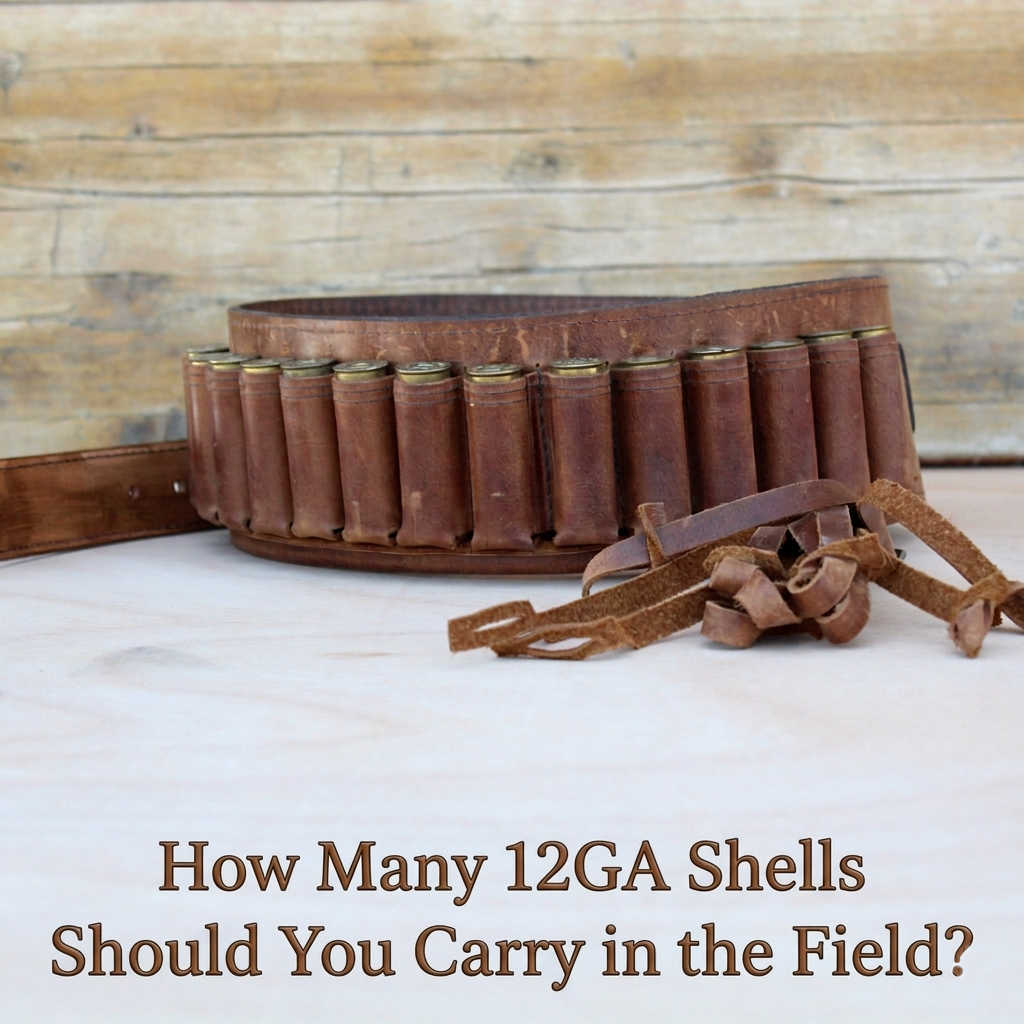
One of the most practical — and overlooked — decisions in waterfowl and upland hunting is how many shells to carry.
Too few, and you risk running short during active flights. Too many, and you add unnecessary weight that slows movement and increases fatigue.
With 12GA, this question becomes more important because the shells are heavier and bulkier than 20GA or 28GA. Every additional round adds measurable weight to your waist.
In this guide, we break down realistic shell counts for duck hunting, goose hunting, and upland scenarios — and how those numbers should influence your shotgun shell belt choice.
For a complete overview of 12GA performance and load weight considerations, refer to our 12GA Shotgun Hunting Guide.
First: Understand the Weight Factor
A standard 12GA steel waterfowl load weighs approximately 1.4 to 1.6 ounces per shell.
That means:
- 20 shells ≈ 1.8 to 2 pounds
- 25 shells ≈ 2.2 to 2.5 pounds
- 30 shells ≈ 2.7 to 3 pounds
- 35 shells ≈ 3.2 to 3.6 pounds
That weight sits around your waist and moves with every step.
When selecting how many shells to carry, think not just in quantity — but in total weight distribution.
Duck Hunting: Ideal 12GA Shell Count
Typical Recommendation: 20–25 Shells
For most duck hunts:
- Legal shooting windows are limited.
- Decoy spreads encourage controlled shots.
- Most opportunities occur in short bursts.
Carrying 20–25 shells is sufficient for:
- Morning flights
- Timber hunts
- Marsh blinds
- Moderate decoy shooting
Carrying more rarely increases success. It usually increases fatigue.
Hunters who walk longer distances into flooded areas benefit from keeping their belt light and balanced.
For a complete breakdown of duck gear systems, see our Duck Hunting Gear Guide.
Goose Hunting: When Capacity Increases
Typical Recommendation: 25–35 Shells
Goose hunting differs significantly from duck hunting.
Factors include:
- Larger birds
- Longer shooting windows
- More follow-up shots
- Wind variability
- Field repositioning
Goose loads are also heavier (3″ or magnum shells), which increases overall belt weight.
Many experienced goose hunters carry 25–30 shells comfortably. Some prefer up to 35 when hunting large migratory flocks.
However, once belt weight exceeds 3.5 to 4 pounds, fatigue increases noticeably — especially during field setups.
For cold-weather considerations and goose-specific load management, refer to our Goose Hunting Gear Guide.
Upland Hunting with 12GA
Typical Recommendation: 15–25 Shells
Upland hunting emphasizes mobility.
Long walks through:
- Fields
- Brush
- Rolling terrain
- Grasslands
Every extra ounce matters.
Most upland hunters using 12GA carry:
- 15–20 shells for controlled hunts
- Up to 25 in high-bird-density areas
Unlike waterfowl blinds, upland hunts involve continuous movement. Overloading your belt reduces agility and comfort.
For species-specific upland setups, visit our Pheasant Hunting Gear Guide.
The Balance Between Preparedness and Efficiency
More shells do not always equal better preparation.
Ask yourself:
- How long is the hunt?
- How far will I walk?
- How active are the birds?
- Do I have backup shells in a blind bag or vest?
In many cases, carrying a moderate load and keeping reserve shells nearby is more efficient than carrying maximum capacity at all times.
Efficiency improves shooting focus and reduces physical strain.
How Belt Construction Influences Capacity
Shell quantity must match belt construction.
A belt designed for 25 shells should not be overloaded with 35.
Overloading causes:
- Loop stretch
- Stitch stress
- Uneven weight distribution
- Reduced shell retention
12GA shells apply constant outward pressure on loops. Inferior materials degrade quickly under excess weight.
A properly constructed full-grain leather shotgun shell belt maintains:
- Consistent shell spacing
- Even weight distribution
- Long-term structural integrity
For engineering details behind load stress and belt durability, return to our 12GA Shotgun Hunting Guide.
Signs You Are Carrying Too Many Shells
If you notice:
- Belt sagging on one side
- Hip fatigue early in the hunt
- Frequent adjustment
- Lower back strain
- Reduced mobility
You are likely exceeding optimal capacity.
Field comfort directly affects shooting rhythm and endurance.
Shell Strategy: Quality Over Quantity
Experienced hunters often rely on:
- Careful shot selection
- Controlled follow-ups
- Pattern familiarity
This reduces unnecessary shell usage.
Carrying 25 well-selected loads that match your conditions is more effective than carrying 40 shells without strategy.
Preparation is not about volume — it is about planning.
Recommended 12GA Shell Carry by Scenario
| Hunting Style | Recommended Shell Count |
|---|---|
| Duck Blind | 20–25 |
| Goose Field | 25–35 |
| Mixed Waterfowl | 25–30 |
| Upland Walk | 15–25 |
These ranges maintain balance between readiness and efficiency.
Final Thoughts: Build Your Belt Around Your Hunt
The correct number of 12GA shells depends on:
- Species
- Terrain
- Distance walked
- Weather
- Personal shooting habits
12GA is powerful and versatile — but it demands thoughtful load management.
Carry enough to remain confident.
Avoid carrying so much that comfort declines.
Your shotgun shell belt should support your hunt — not weigh it down.
For a complete performance overview of 12GA systems, revisit our 12GA Shotgun Hunting Guide.
Explore Our Handmade Leather Shotgun Shell Belts
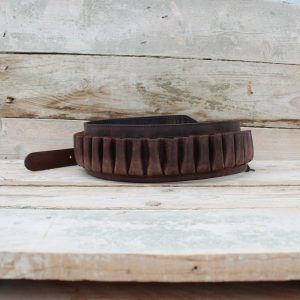
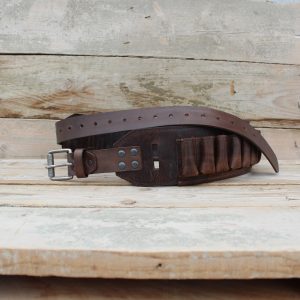
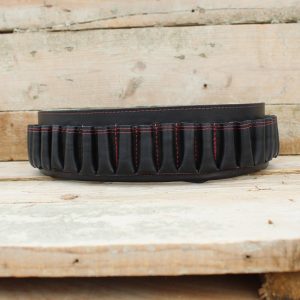
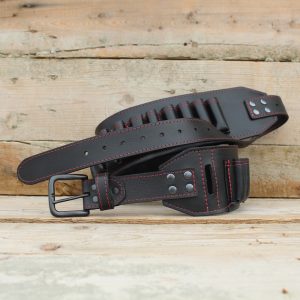
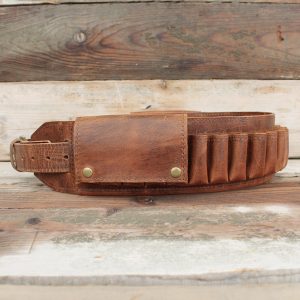
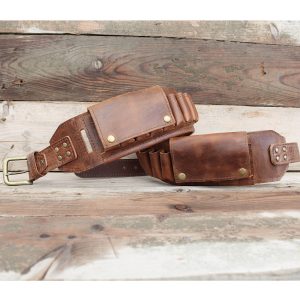
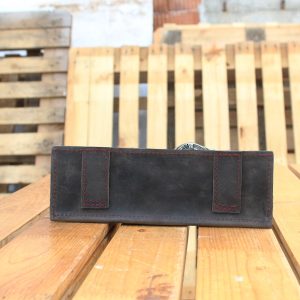
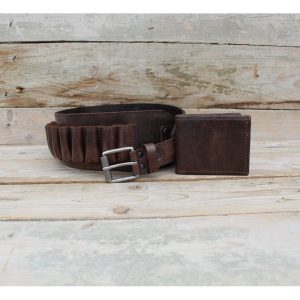
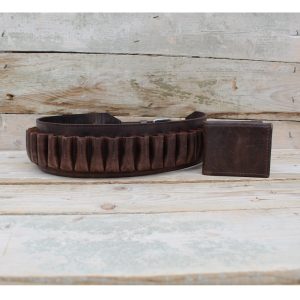
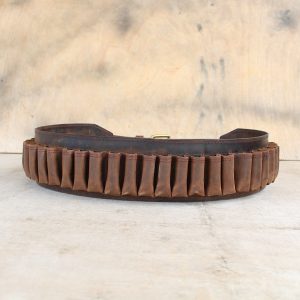
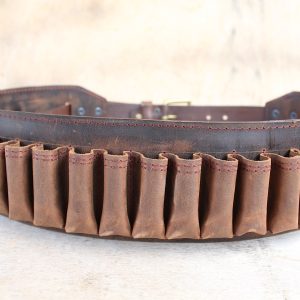
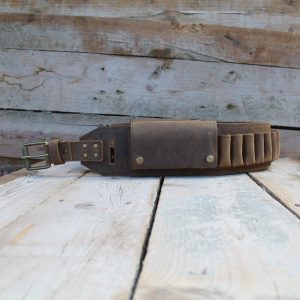
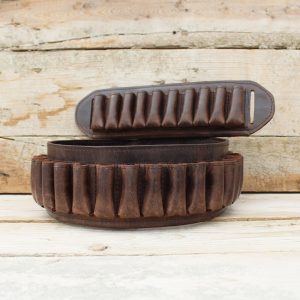
For hunters who demand reliability without compromise, our collection of full-grain leather shotgun shell belts is crafted to perform season after season. Each belt is handmade with precision-sized loops for 12GA, 16GA, 20GA, and 28GA shells, reinforced stitching, and durable hardware designed for real field use.
Balanced weight distribution, secure shell retention, and clean access under pressure make these belts a trusted part of a serious hunting setup.
Explore the complete collection below and choose the belt built for your next season in the field.
12 Gauge Leather Cartridge Belt – Handmade Crazy Horse Leather – Custom 12GA • 16GA • 20GA
Original price was: $262.$192Current price is: $192.9.3×62 Cartridge Belt Slide – Handmade Crazy Horse Leather with Flap Closure
Original price was: $100.$80Current price is: $80.Black Leather Cartridge Belt – Handmade for 12GA • 16GA • 20GA
Original price was: $262.$191Current price is: $191.Brown Crazy Horse Leather Cartridge Belt– 12GA/16GA/20GA/28GA
Original price was: $260.$193Current price is: $193.Custom .30-06 Leather Hunting Set – Cartridge Slide & Belt
Original price was: $146.$145Current price is: $145.Custom Leather Cartridge Belt – Handmade Crazy Horse | 12GA, 16GA & 20GA
Original price was: $310.$210Current price is: $210.Custom Leather Cartridge Belt Slide
Original price was: $150.$80Current price is: $80.Dual-Flap Leather Cartridge Belt – Handmade for 12GA • 16GA • 20GA
Original price was: $265.$195Current price is: $195.Flap-Closure Leather Cartridge Belt – 12GA • 16GA • 20GA
Original price was: $420.$300Current price is: $300.Handmade .308 Winchester Leather Cartridge Belt Slide
Original price was: $140.$95Current price is: $95.Handmade Crazy Horse Leather Cartridge Belt & Shoulder Bag Set | 12GA • 16GA • 20GA • 28GA
Original price was: $420.$299Current price is: $299.Handmade Leather Cartridge Belt & Wallet Set – 12GA/16GA/20GA
Original price was: $380.$290Current price is: $290.Handmade Leather Cartridge Belt Slide
Original price was: $120.$70Current price is: $70.Heritage Leather Cartridge Belt – Handmade for 12GA • 16GA • 20GA
Original price was: $270.$191Current price is: $191.Hybrid Leather Cartridge Belt – 12GA • 16GA • 20GA
Original price was: $400.$280Current price is: $280.Leather Cartridge Belt & Cartridge Belt Slide Set – Handmade for 12GA • 16GA • 20GA
Original price was: $300.$240Current price is: $240.Leather Cartridge Belt & Matching Slide Set
Original price was: $390.$290Current price is: $290.Leather Cartridge Belt, Cartridge Belt Slide & Wallet Set – Handmade for 12GA • 16GA • 20GA
Original price was: $360.$290Current price is: $290.Matching Set of 2 Leather Cartridge Belt Slides
Original price was: $200.$140Current price is: $140.Personalised Crazy Horse Leather Cartridge Belt | 12GA • 16GA • 20GA
Original price was: $290.$190Current price is: $190.Premium Leather Cartridge Belt – 12GA • 16GA • 20GA
Original price was: $450.$260Current price is: $260.