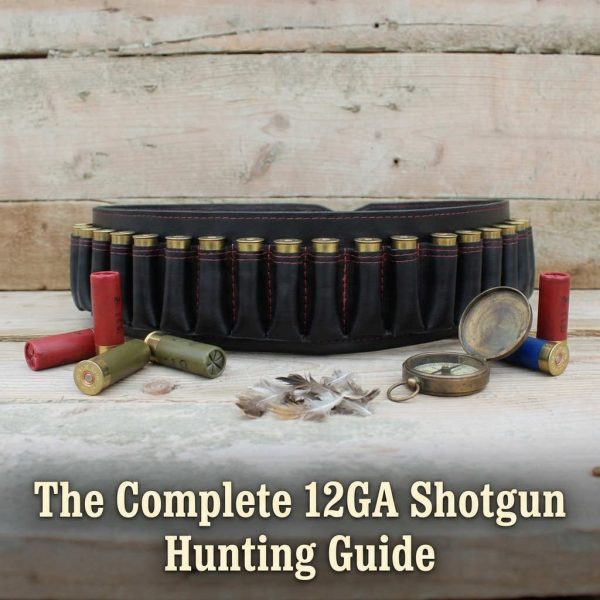
The Complete 12GA Shotgun Hunting Guide: Shell Belts, Loads, and Field Performance
The 12-gauge shotgun remains the most trusted and widely used gauge in modern hunting. From flooded timber duck blinds to late-season goose fields and long upland walks behind working dogs, the 12GA has earned its place through versatility, reliability, and raw effectiveness.
But the gauge itself is only part of the system.
Performance in the field depends on how you carry your ammunition, how your load weight interacts with your belt, and how your gear responds under pressure — cold weather, wet conditions, and repeated recoil cycles.
This guide breaks down 12GA hunting from a complete perspective:
- Waterfowl applications
- Upland applications
- Load selection
- Shell capacity planning
- Shotgun shell belt performance
- Why leather matters for 12GA hunters
This is not a surface overview. This is a field-level analysis for serious hunters.
Why 12GA Dominates Modern Hunting
The 12GA is the most adaptable shotgun gauge available today.
It handles:
- Light upland loads
- Standard waterfowl loads
- Heavy magnum goose loads
- Steel, bismuth, and tungsten
- Clay shooting
- Predator control
Few gauges match its balance between power and flexibility.
For duck and goose hunters, 12GA provides the pellet count necessary for ethical shots in wind and range variation.
For pheasant hunters, it delivers clean knockdown performance, especially late in the season when birds flush strong and fast.
Because of this wide use, 12GA is also the most demanding gauge on ammunition-carry systems. Shells are heavier. Loads vary significantly. Recoil is stronger.
Your belt must handle that reality.
12GA in Waterfowl Hunting (Duck & Goose)
In waterfowl environments, 12GA is the dominant choice.
Why?
Because waterfowl hunting requires:
- Steel or non-toxic loads
- Higher pellet velocity
- Greater knockdown energy
- Reliable performance in wind
- Ethical performance at extended range
Duck Hunting with 12GA
Most duck hunters rely on:
- 2¾” steel loads for early season
- 3″ loads for mid-to-late season
- Shot sizes #2, #3, or #4
Conditions are often:
- Wet
- Cold
- Mud-heavy
- Physically demanding
Your shell belt must:
- Hold shells securely when wet
- Resist stretching
- Maintain loop tension
- Stay stable under movement
For a complete breakdown of duck-specific gear systems, see our Duck Hunting Gear Guide
Goose Hunting with 12GA
Geese are larger, tougher birds. Hunters often use:
- 3″ or 3½” magnum loads
- Larger shot sizes (#BB, #2)
- Heavier payloads
This increases:
- Weight on the belt
- Stress on stitching
- Pressure on leather loops
Cold weather also stiffens inferior materials.
For cold-weather performance systems, see our Goose Hunting Gear Guide
Goose hunters particularly benefit from reinforced, structured leather belts that maintain shell retention even when the leather contracts slightly in freezing temperatures.
12GA in Upland Hunting
Some believe 12GA is excessive for upland.
That depends entirely on load selection.
With lighter 1 oz or 1 1/8 oz loads, 12GA performs extremely well for:
- Pheasant
- Grouse
- Mixed upland walks
The advantage lies in versatility.
Early season pheasant may call for lighter loads. Late season birds, flushing wild and running hard, often justify heavier payloads.
For detailed pheasant gear selection, see our Complete Pheasant Hunting Gear Guide
For upland hunters, belt comfort and weight distribution matter even more due to miles walked in uneven terrain.
Load Weight and Belt Engineering
This is where many hunters underestimate the system.
A standard 12GA steel load weighs approximately:
- 1.4 to 1.6 ounces per shell
Multiply that by:
- 25 shells
- 30 shells
- 40 shells
The cumulative weight is significant.
When carrying 25–40 shells, you may have:
- 2.5 to 4 pounds of ammunition on your waist
This creates stress points:
- Loop stitching
- Leather stretch
- Belt sag
- Buckle strain
Inferior belts:
- Lose tension
- Stretch unevenly
- Allow shells to loosen
- Become unstable in movement
A properly constructed full-grain leather belt:
- Distributes weight evenly
- Retains loop structure
- Molds to the body over time
- Maintains long-term integrity
12GA demands structural integrity. It is not forgiving of weak materials.
How Many 12GA Shells Should You Carry?
The answer depends on hunting style.
Duck blind hunters:
- 20–25 shells often sufficient
Goose field hunters:
- 25–35 shells recommended
Upland hunters:
- 15–25 shells depending on terrain
This is where capacity options matter.
A well-designed shotgun shell belt should:
- Offer sufficient capacity
- Avoid unnecessary bulk
- Balance comfort and preparedness
How Many 12GA Shells Should You Carry in the Field?
Why Leather Performs Better for 12GA
12GA shells are heavier than 20GA and 28GA.
They require firmer retention.
Full-grain leather offers:
- Natural compression grip on shells
- Resistance to tearing under weight
- Long-term durability
- Stability in cold conditions
- Reduced bounce during movement
Nylon belts often:
- Stretch under load
- Shift position
- Deform over time
- Lose structural retention
For hunters who rely heavily on 12GA — particularly in waterfowl conditions — structural integrity is not optional.
It is performance-critical.
Magnum Loads and Structural Considerations
Magnum 12GA loads increase:
- Payload weight
- Recoil energy
- Carry weight
Repeated recoil cycles can stress poorly built belt systems, particularly around:
- Stitching junctions
- Buckle rivets
- Loop attachment points
This is why reinforcement stitching and full-grain construction matter.
Later, this pillar will link to:
12GA Magnum Loads and Belt Capacity Considerations.
Building a Complete 12GA System
A serious 12GA setup includes:
- Shotgun matched to hunting style
- Appropriate load selection
- Weather-appropriate clothing
- Proper shell belt capacity
- Balanced weight distribution
The belt is not a minor accessory.
It is part of the operating system.
When shells are secure, evenly distributed, and immediately accessible, movement becomes efficient and fluid.
That confidence translates directly into better field performance.
Why 12GA Hunters Demand Better Belts
Because 12GA is:
- Heavier
- More versatile
- More powerful
- More widely used
It places greater long-term demand on equipment.
Hunters who shoot 12GA regularly understand this over time. Inferior belts fail faster under this gauge.
That is why serious 12GA hunters often move toward structured, handmade leather belts designed for durability and stability.
Final Thoughts on the 12GA Advantage
The 12GA remains the most complete shotgun gauge in modern hunting.
It adapts to:
- Ducks
- Geese
- Pheasant
- Mixed upland
- Variable weather
- Changing load demands
But versatility increases responsibility.
Your carry system must match the capability of your gauge.
When properly supported with a well-constructed shotgun shell belt, 12GA becomes not only powerful — but efficient, organized, and field-ready.
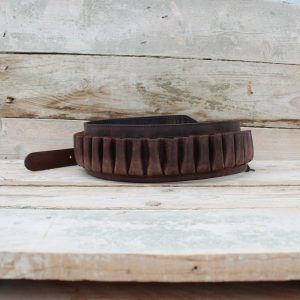
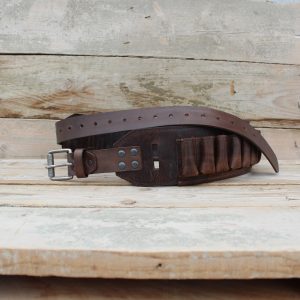
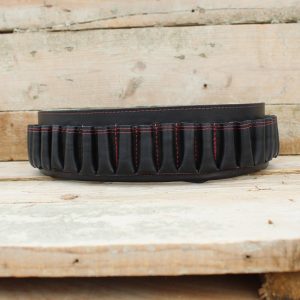
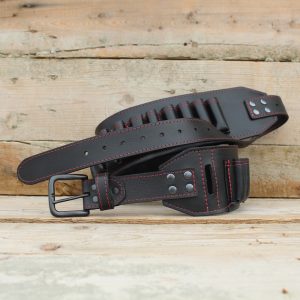
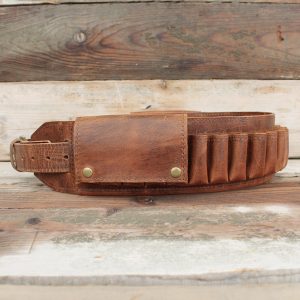
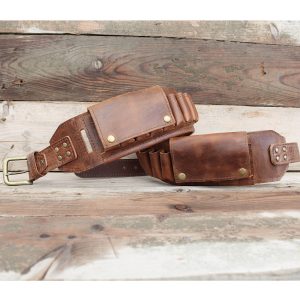
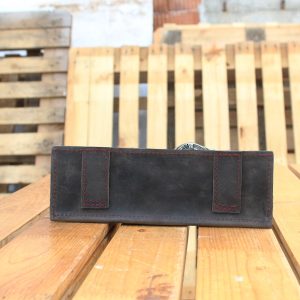
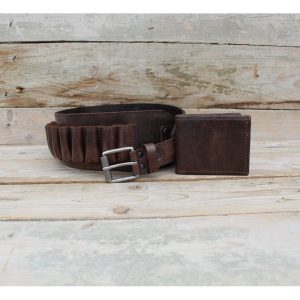
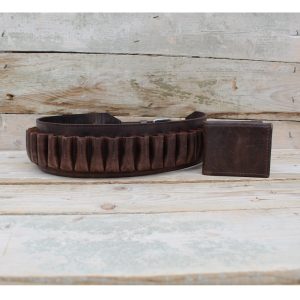
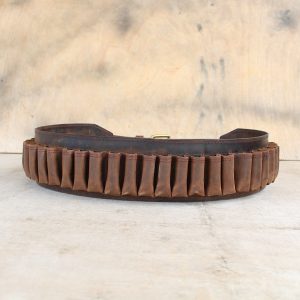
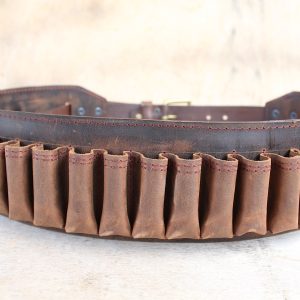
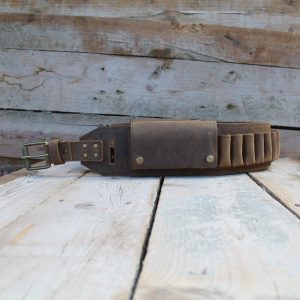
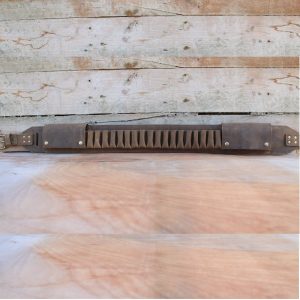
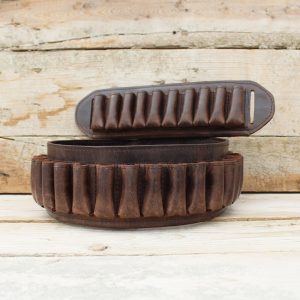
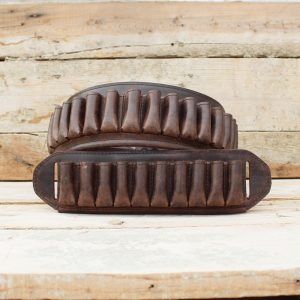
Here are a few of our Crazy Horse Leather Shotgun Shell Belts
12 Gauge Leather Cartridge Belt – Handmade Crazy Horse Leather – Custom 12GA • 16GA • 20GA
Original price was: $262.$192Current price is: $192.9.3×62 Cartridge Belt Slide – Handmade Crazy Horse Leather with Flap Closure
Original price was: $100.$80Current price is: $80.Black Leather Cartridge Belt – Handmade for 12GA • 16GA • 20GA
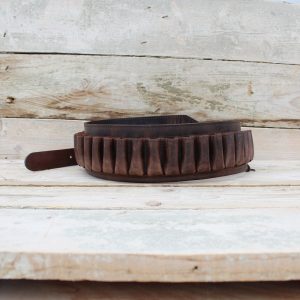
Original price was: $262.$191Current price is: $191.Brown Crazy Horse Leather Cartridge Belt– 12GA/16GA/20GA/28GA
Original price was: $260.$193Current price is: $193.Custom .30-06 Leather Hunting Set – Cartridge Slide & Belt
Original price was: $146.$145Current price is: $145.Custom Leather Cartridge Belt – Handmade Crazy Horse | 12GA, 16GA & 20GA
Original price was: $310.$210Current price is: $210.Custom Leather Cartridge Belt Slide
Original price was: $150.$80Current price is: $80.Dual-Flap Leather Cartridge Belt – Handmade for 12GA • 16GA • 20GA
Original price was: $265.$195Current price is: $195.Flap-Closure Leather Cartridge Belt – 12GA • 16GA • 20GA
Original price was: $420.$300Current price is: $300.Handmade .308 Winchester Leather Cartridge Belt Slide
Original price was: $140.$95Current price is: $95.Handmade Crazy Horse Leather Cartridge Belt & Shoulder Bag Set | 12GA • 16GA • 20GA • 28GA
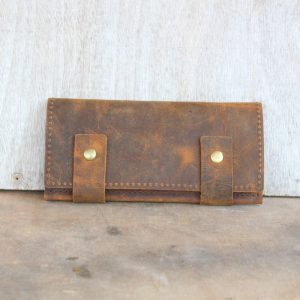
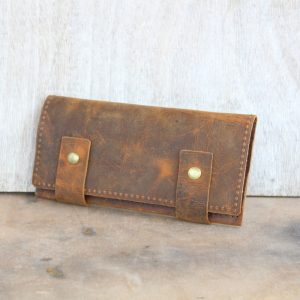
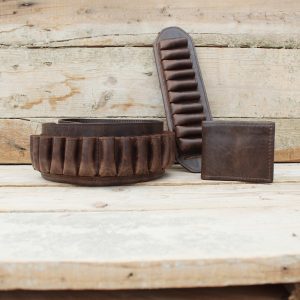
Original price was: $420.$299Current price is: $299.Handmade Leather Cartridge Belt & Wallet Set – 12GA/16GA/20GA
Original price was: $380.$290Current price is: $290.Handmade Leather Cartridge Belt Slide
Original price was: $120.$70Current price is: $70.Heritage Leather Cartridge Belt – Handmade for 12GA • 16GA • 20GA
Original price was: $270.$191Current price is: $191.Hybrid Leather Cartridge Belt – 12GA • 16GA • 20GA
Original price was: $400.$280Current price is: $280.Leather Cartridge Belt & Cartridge Belt Slide Set – Handmade for 12GA • 16GA • 20GA
Original price was: $300.$240Current price is: $240.Leather Cartridge Belt & Matching Slide Set
Original price was: $390.$290Current price is: $290.Leather Cartridge Belt, Cartridge Belt Slide & Wallet Set – Handmade for 12GA • 16GA • 20GA
Original price was: $360.$290Current price is: $290.Matching Set of 2 Leather Cartridge Belt Slides
Original price was: $200.$140Current price is: $140.Personalised Crazy Horse Leather Cartridge Belt | 12GA • 16GA • 20GA
Original price was: $290.$190Current price is: $190.Premium Leather Cartridge Belt – 12GA • 16GA • 20GA
Original price was: $450.$260Current price is: $260.