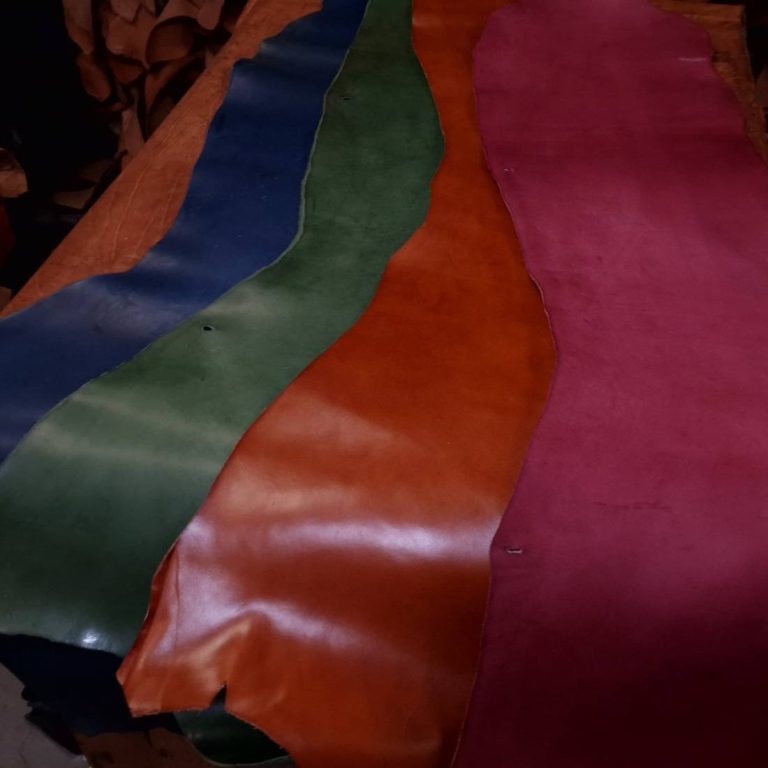
Modern leather products are made by a chemical treatment process that takes raw animal hides that would otherwise be discarded, and turns them into beautiful clothing, footwear, accessories, upholstery, and many other items such as horse saddles and various types of cordage.
Many of the leather products you see in the store will be made from cow hides, as they’re the most common livestock used in farming meat and dairy in many parts of the world. However, leather can be made from many types of animal skin, some more desirable than others, depending on their purpose.
Cowhide
Cowhide can be used to make virtually any leather product. It’s definitely the most popular hide used in the leather industry. While statistics haven’t been released in a few years; UK Leather, the “voice of the leather industry,” released these numbers a few years ago showing cowhide comprising nearly 70% of the global leather market. Some countries, like the United Kingdom use cowhide almost exclusively in their domestic and exported leather products.
Buffalo Hide
Buffalo hides are among the thickest of all leathers, yet very soft. They were extremely popular among native American tribes and frontiersman back in the early days, used to make everything from pullovers to cozy blankets. The finished hide has many natural cuts and grooves that give it a very distinctive and desirable look. It can be used for making anything, and is known for standing the test of time better than any other type of leather product.
Pigskin
Pigskin is most well known for its use in making suede leather products. The finish is very smooth, yet the most common pigskin leather products like jackets and shoes, tend to be a little stiffer than cowhide. Unlike the American football’s old name-sake “pigskin,” modern footballs are no longer made from pigskin leather.
Sheepskin
Sheepskin is a very fragile type of leather, not typically used to make rugged items like motorcycle jackets or rugged boots. It’s very soft and supple, often with products still bearing the fur when used in coats and vests. Sheepskin is considered very fashionable, but it does costs much less than other types of leather and can often be used in “knockoff” products like inexpensive leather motorcycle jackets – these products are easy to identify because a sheepskin motorcycle jacket will often retail for less than half the price of those made from cowhide.
Kidskin
Kidskin comes from young sheep that haven’t yet matured to adulthood. It’s used to make various clothing items and shoes. Like the adult version, kidskin isn’t as strong and long-lasting as other forms of leather already mentioned, but it’s used because it’s very breathable, dries easily when wet, and very lightweight and pliable compared to other forms of leather.
Deer & Elk Skin
Deer skin leather is comparable to sheep and kidskin, though perhaps not as readily available. Native Americans have used this type of leather for years in making clothing items of all kinds, and you’ll still see these products sold by Native American clothing outlets all over. Elk skin is comparatively tougher, but much harder to find due to wildlife conservation efforts in the areas this animal frequents.
Alligator and Crocodile Hide
Alligator and crocodile leather is notoriously tough and durable, and thus very hard to work with. These products are also quite rare, due to dwindling global numbers and conservation regulations. Still, you won’t find a longer lasting leather, especially for use in handbags, shoes, and belts. The finished leather is very smooth due to its reptile origins, and it’s rare to find someone who can’t distinguish them from other leather products.
Snakeskin
Snakeskin isn’t used in very many leather products. It’s very thin and tears easily. Often, snakeskin will be used as trim or accent pieces. But, for a price you can find snakeskin bags and purses that have a very distinctive look over other leather accessories.
Kangaroo Skin
Kangaroo skin is very durable and smooth to the touch. It’s extremely popular in certain countries for use as soccer or “football” cleats, as well as motorcycle jackets. Known for their toughness, the softness and flexibility offered by kangaroo leather makes it a definite cult favorite among many around the world.
Ostrich Skin
Ostrich skin is a less common purchase, despite its versatility and strength. This is mainly due to the high price tag that goes along with the products it’s used to make, such as high end furniture upholstery, handbags, belts, boots, and shoes. Virtually anything can be made from this tough and smooth skin, with price being the only major barrier.
Zebra Hide
Zebra hide is a very niche type of leather that’s revered for the animal’s unique striping. It’s durable, easy to work with, and has a very long life if taken care of. Everything from furniture, rugs, handbags, and other accessories can be made from Zebra hide. Like ostrich and other exotic types of leather, the price can be very high for Zebra leather products.
Fish Skin
There are several species of fish that have been used to make fish skin leather products over the years. Most, like Salmon, aren’t terribly durable over the long haul. However, fish from large predatory species like various kinds of shark and stingray, offer very durable, flexible, and long-lasting leather products to consumers.
Shark Skin
Shark skin is very tough, smooth and long-lasting. It’s expensive, and used to make a variety of clothing and accessory items. A typical set of shark skin boots retails for as much as $6,000.
Stingray Skin
Stingray is the most expensive fish leather on the planet and certainly tough-as-nails (it was used as body armor by the Japanese in ancient times). It has a unique look to it, resembling a bunch of interspersed ocean pebbles, used to blend into the habitat the stingray finds its prey in. The finish is very sleek, yet the price is often too much of a barrier for most to overcome.
Hopefully this article has answered all the questions you might have about the kinds of hides and skins used in leather making. While there certainly are a few less common missing from the list above, most of the leather products you’ll find in the marketplace will be made from the animals mentioned.
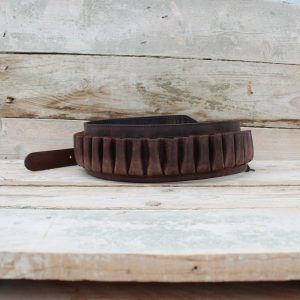
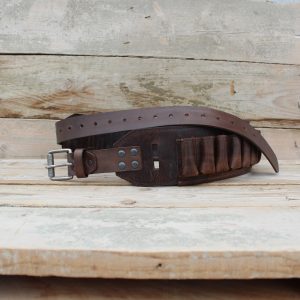
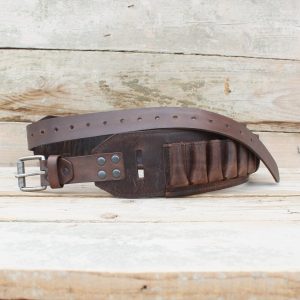
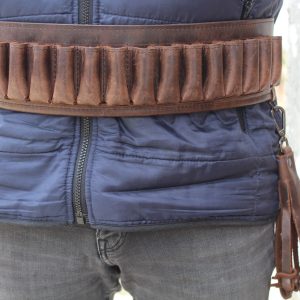
12 Gauge Leather Cartridge Belt – Handmade Crazy Horse Leather – Custom 12GA • 16GA • 20GA
Original price was: $262.$192Current price is: $192.12 Gauge Shotgun Shell Belt – Handmade Crazy Horse Leather Ammo Belt
Original price was: $250.$190Current price is: $190.9.3×62 Cartridge Belt Slide – Handmade Crazy Horse Leather with Flap Closure
Original price was: $100.$80Current price is: $80.Baroque-Style Leather Belt – Distressed White
Original price was: $105.$80Current price is: $80.Biker Leather Belt Skull & Swords
Original price was: $150.$90Current price is: $90.Black & Python Leather Notebook Wallet
Original price was: $120.$88Current price is: $88.