When investing in leather goods—whether it’s a wallet, belt, or bag—durability is often a top priority. But not all leather is created equal. Two of the most respected sources of premium leather in the world are Italy and Argentina. Both are renowned for their quality, but they offer distinct characteristics that affect longevity, appearance, and performance.
In this article, we’ll break down the differences between Italian and Argentine leather, from sourcing and tanning processes to everyday durability. By the end, you’ll know exactly which type is right for your needs—and why.
Understanding the Basics: What Makes Leather “Durable”?
Before comparing Italian and Argentine leather, it’s important to understand what contributes to leather’s lifespan:
→ Hide Quality: Full-grain leather (the highest grade) retains the hide’s natural strength.
→ Tnning Method: Vegetable tanning is traditional and eco-friendly but slower; chrome tanning is faster and produces water-resistant leather.
→ Finish: Protected finishes resist scratches, while natural finishes develop a patina over time.
Now, let’s see how Italian and Argentine leather stack up.
Italian Leather: The Gold Standard
Origins & Characteristics
Italian leather is globally synonymous with luxury. For centuries, Italian artisans have perfected techniques that prioritize both aesthetics and resilience.
→ Hide Source: Primarily from European cattle, which are raised in controlled environments, resulting in fewer scars and more consistent hides.
→ Tanning Process: Often vegetable-tanned in Tuscany, using natural materials like tree bark. This method is slower but produces eco-friendly, biodegradable leather.
→ Texture: Smooth, supple, and finely grained. Ideal for dressier items like formal wallets, belts, and briefcases.
→ Durability: Thanks to meticulous processing, Italian leather develops a rich patina over time. It’s resistant to cracking and wear when properly maintained.
Best For: Elegant, everyday items where style and longevity are equally important.
Argentine Leather: The Rugged Contender
Origins & Characteristics
Argentina is one of the world’s largest beef producers, and its leather industry benefits from robust, high-quality hides.
→ Hide Source: Grass-fed cattle raised on open pastures. These hides are thicker and more durable, though they may have more natural markings.
→ Tanning Process: Often chrome-tanned, making it more water-resistant and pliable from the start.
→ Texture: Softer and more relaxed than Italian leather, with a natural, rustic appearance.
→ Durability: Thicker and more resistant to abrasion, making it ideal for outdoor or heavy-use gear.
Best For: Casual, rugged items like tooled belts, outdoor bags, and accessories that see hard wear.
Side-by-Side Comparison
| Feature | Italian Leather | Argentine Leather |
|---|---|---|
| Hide Quality | Fewer imperfections, finer grain | Thicker, more natural markings |
| Tanning Method | Often vegetable-tanned | Usually chrome-tanned |
| Water Resistance | Moderate (unless treated) | High |
| Aging | Develops a elegant patina | Ages ruggedly; may soften |
| Common Uses | Dress accessories, luxury goods | Casual wear, outdoor gear |
| Durability | Excellent with proper care | Superior for rough use |
Which Lasts Longer?
The answer depends on how you use your leather goods:
→ Choose Italian leather if you want a refined item that ages gracefully with regular use. It’s perfect for dress belts, wallets, and bags that aren’t exposed to extreme conditions.
→ Choose Argentine leather for items that need to withstand moisture, abrasion, or heavy loads. It’s the winner for outdoor gear, work belts, and casual footwear.
That said, both types can last decades with proper care.
How to Care for Each Type
Italian Leather
→ Condition every 3-6 months with a natural leather conditioner.
→ Avoid prolonged exposure to water.
→ Store in a cool, dry place away from direct sunlight.
Argentine Leather
→ Clean with a damp cloth and mild soap.
→ Condition sparingly—over-conditioning can soften it too much.
→ Allow to air dry naturally if wet.
Conclusion: It’s About Purpose, Not Just Longevity
Both Italian and Argentine leather offer exceptional durability when cared for properly. Your choice should reflect your lifestyle and aesthetic preferences:
→ Italian leather offers timeless elegance and ages with sophistication.
→ Argentine leather provides rugged reliability and a more casual vibe.
At Raphael Rossetti, we use Italian full-grain leather for our wallets and belts because we prioritize a balance of luxury and longevity. But for heavy-duty items, we appreciate the raw strength of Argentine hides.
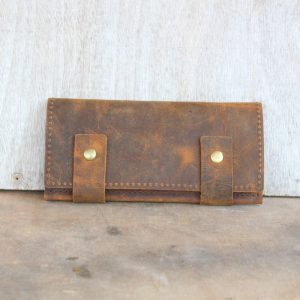
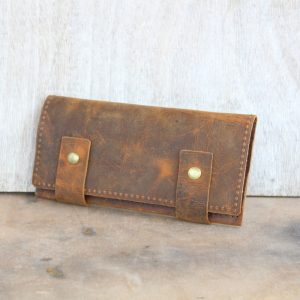
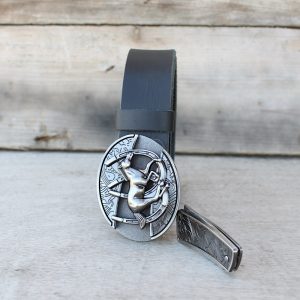
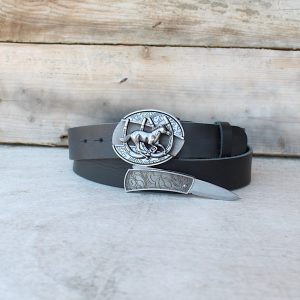
Here are a few of our handmade full-grain leather creations.
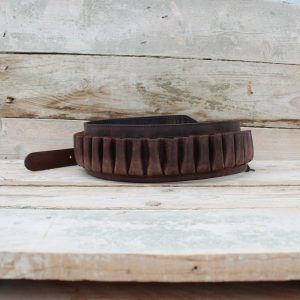
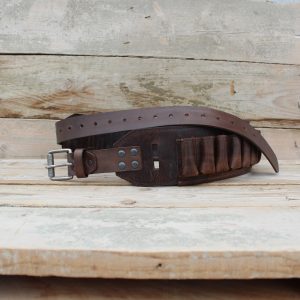
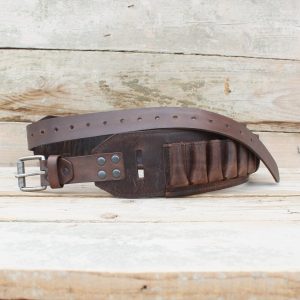
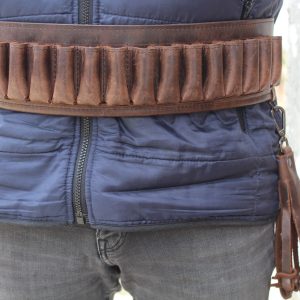
12 Gauge Leather Cartridge Belt – Handmade Crazy Horse Leather – Custom 12GA • 16GA • 20GA
Original price was: $262.$192Current price is: $192.12 Gauge Shotgun Shell Belt – Handmade Crazy Horse Leather Ammo Belt
Original price was: $250.$190Current price is: $190.9.3×62 Cartridge Belt Slide – Handmade Crazy Horse Leather with Flap Closure
Original price was: $100.$80Current price is: $80.Baroque-Style Leather Belt – Distressed White
Original price was: $105.$80Current price is: $80.Biker Leather Belt Skull & Swords
Original price was: $150.$90Current price is: $90.Black & Python Leather Notebook Wallet
Original price was: $120.$88Current price is: $88.Black & Red Top-Grain Leather Wallet
Original price was: $112.$82Current price is: $82.Black Breast Pocket Leather Wallet
Original price was: $147.$87Current price is: $87.Black Credit Card Holder with Plastic Sleeves
Original price was: $90.$50Current price is: $50.Black Keychain With Engraved Initials
Original price was: $50.$30Current price is: $30.Black Leather Belt with Hidden Knife Buckle – Horse Design
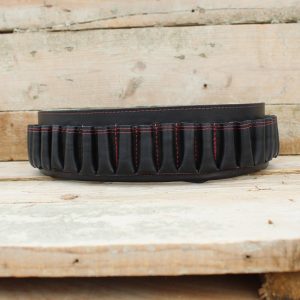
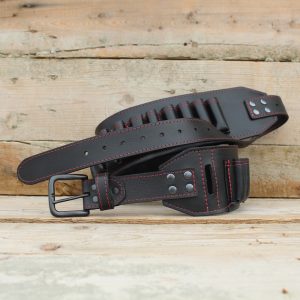
Original price was: $152.$95Current price is: $95.Black Leather Cartridge Belt – Handmade for 12GA • 16GA • 20GA
Original price was: $262.$191Current price is: $191.Black Ratchet Leather Belt
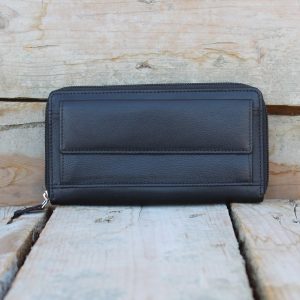
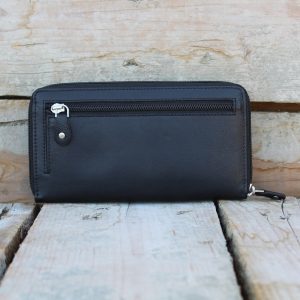
Original price was: $130.$85Current price is: $85.Black Women’s Leather Wallet with Zipper All Around
Original price was: $130.$89Current price is: $89.Brown Crazy Horse Leather Cartridge Belt– 12GA/16GA/20GA/28GA
Original price was: $260.$193Current price is: $193.Brown Leather Card Holder
Original price was: $95.$55Current price is: $55.Brown Leather Cartridge Belt Slide – 12GA • 16GA • 20GA
Original price was: $160.$98Current price is: $98.Brown Leather Horizontal Card Holder – 12 Sleeves
Original price was: $90.$50Current price is: $50.Brown Ratchet Leather Belt
Original price was: $140.$90Current price is: $90.Brown Women’s Leather Wallet with Snap Closure
Original price was: $155.$92Current price is: $92.