What Do the Different Color Shotgun Shells Mean? A Hunter’s Guide to Shotgun Shell Color Coding
From 12-gauge red to 20-gauge yellow, discover the practical reasons behind shotgun shell colors and how this simple coding system makes hunting safer and more efficient.
You’re standing at the ammunition counter, looking at a rainbow of shotgun shells. Red, yellow, green, purple—it looks more like a candy display than serious hunting equipment. But this colorful system is far from arbitrary. Those distinct hues represent one of the smartest safety and organization systems in the shooting sports world.
The color coding of shotgun shells isn’t just for show; it’s a practical visual language that prevents dangerous mistakes in the field and at the range. Let’s decode this system gauge by gauge, exploring both the established standards and the fascinating history behind them.
The Universal Language of Shotgun Shells
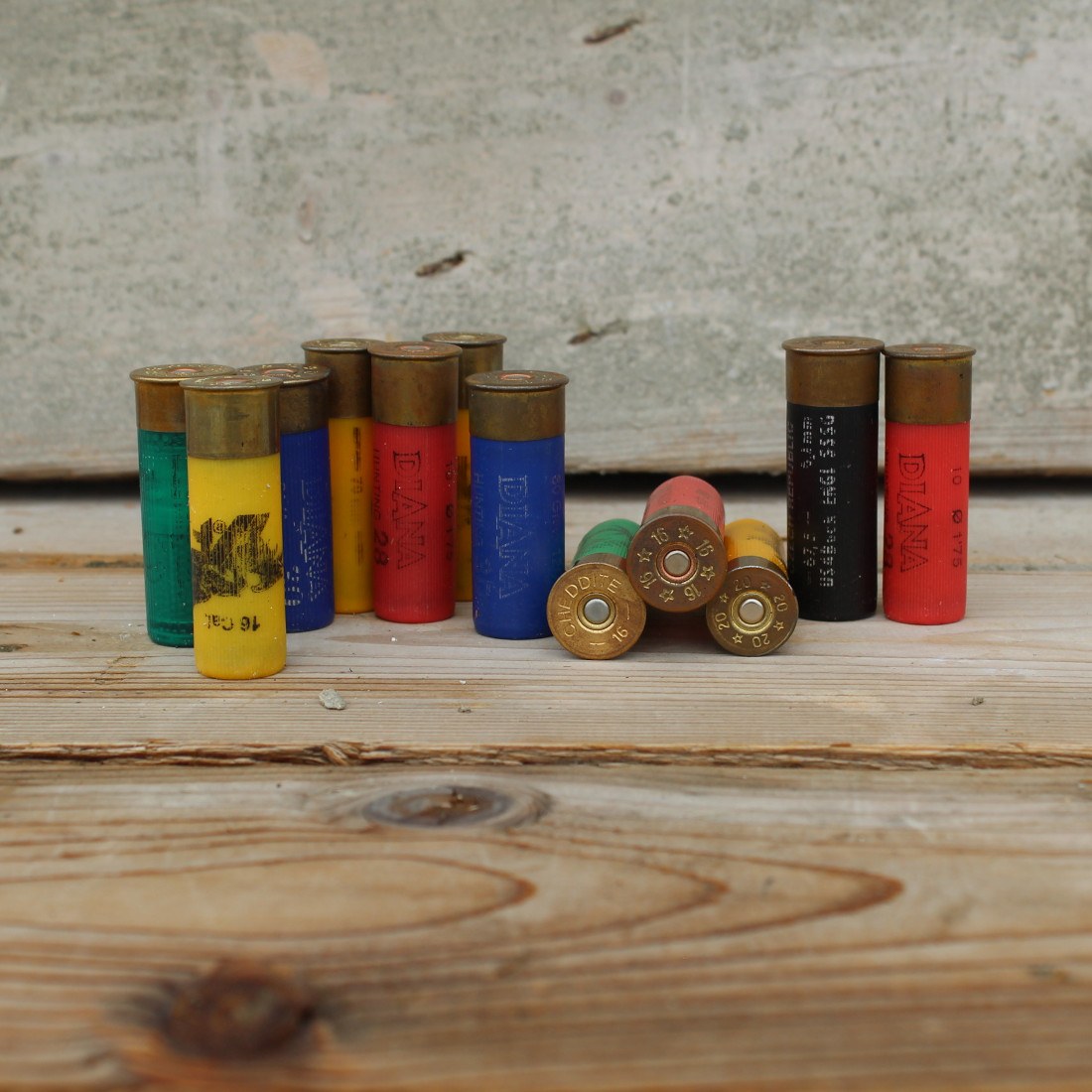
Before we dive into specific colors, understand this fundamental principle: The color refers to the plastic hull itself, not just the base or a small marking. This immediate visual identification allows hunters to distinguish between gauges at a glance, preventing the catastrophic mistake of loading the wrong shell into a firearm.
12-Gauge: The Universal Red
The 12-gauge shell is most commonly found in a distinctive red hull. As the most popular and widely used shotgun gauge in the world, its bold red coloring makes it instantly recognizable.
– Why Red? The choice likely stems from tradition and high visibility. In the early days of plastic shells, manufacturers needed a strong, consistent color for their most popular product. Red offered excellent visibility in various lighting conditions and became the industry standard.
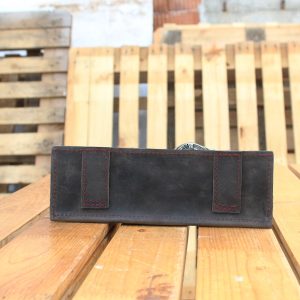
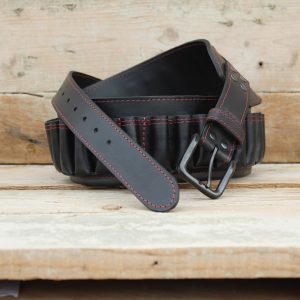
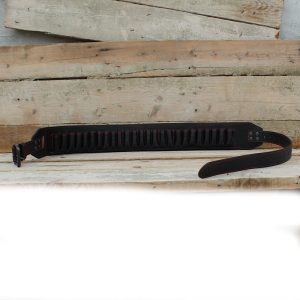
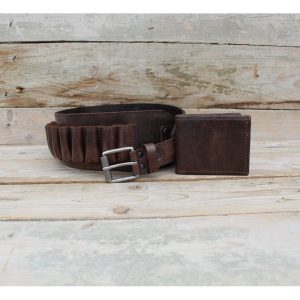
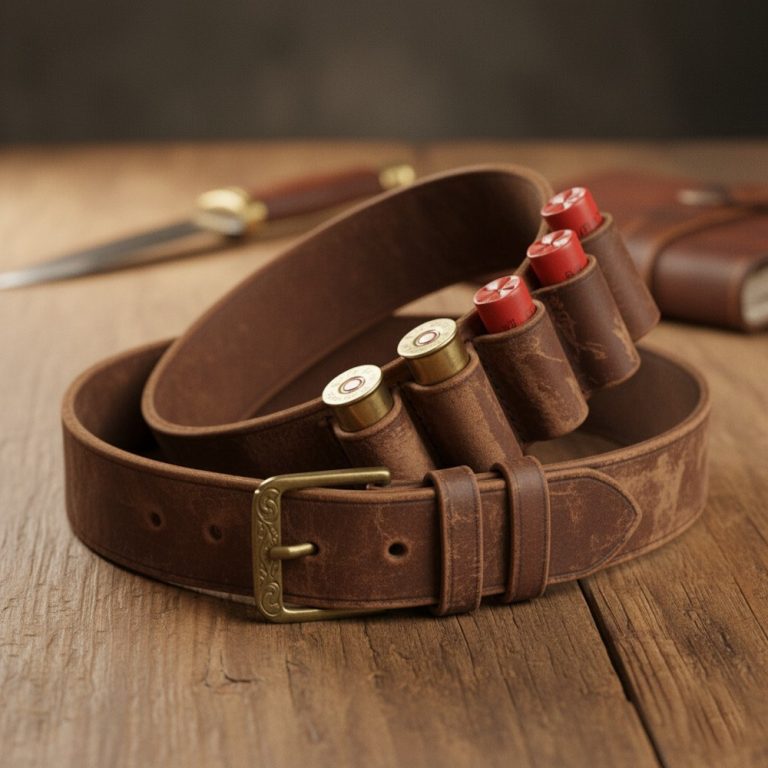
– Practical Application: When you’re waterfowl hunting in low light or quickly loading your shotgun during a driven pheasant shoot, that flash of red ensures you’re reaching for the right shell every time. For 12-gauge hunters using our leather cartridge belts, the vibrant red shells create a sharp contrast against the rich leather, making for both a practical and visually striking combination.
20-Gauge: The Classic Yellow
The 20-gauge’s bright yellow hull provides the perfect visual contrast to its larger 12-gauge cousin. This is arguably the most important color distinction in the shotgun world.
– The Safety Critical Difference: A 20-gauge shell can actually be chambered in a 12-gauge shotgun, but firing it can cause a catastrophic failure. The yellow color provides an immediate, unmistakable warning that you’re handling a different gauge. This visual cue has undoubtedly prevented countless accidents.
– Historical Context: Some sources suggest the yellow color was chosen simply because it was the most distinct color available from the red used for 12-gauge shells. The high-visibility yellow stands out in grass, blinds, and shell bags, making it easy to keep track of your ammunition.
16-Gauge: The Traditional Purple
Often called the “Sweet Sixteen,” this classic gauge typically comes in a purple or deep lilac hull. The color reflects the gauge’s unique, almost royal status among shotgun enthusiasts.
– A Gauge Apart: The distinctive purple helps hunters quickly distinguish 16-gauge shells from both 12 and 20-gauge options. Given that 16-gauge shotguns are less common, this color coding is crucial for safety.
– Modern Context: While not as common as red or yellow, the purple hull remains a trademark of the 16-gauge, appealing to traditionalists who appreciate this balanced, classic gauge.
28-Gauge: The Elegant Black
The sleek, often black hull of the 28-gauge shell reflects its reputation as a refined, specialist’s gauge. Used primarily for upland hunting and clay sports, the black color denotes precision and elegance.
– Why Black? The color black has long been associated with premium, high-performance products. For the 28-gauge—a gauge known for its sharp patterns and handling rather than raw power—the black hull reinforces its sophisticated image.
– Practical Consideration: The stark contrast between black (28-gauge) and yellow (20-gauge) prevents confusion between these two gauges that might otherwise look similar to the untrained eye.
.410 Bore: The Unique Silver or Orange
As the smallest common shotgun shell, the .410 often features a silver or sometimes orange hull. It’s technically a “bore” rather than a “gauge,” and its distinct coloring emphasizes this unique status.
– Immediate Identification: The silver/orange coloring provides instant recognition that you’re handling a .410, preventing any attempt to load it into a larger-gauge firearm.
– Versatile Use: While commonly used for youth shooters and small game, the .410 has seen a resurgence in turkey hunting with TSS loads. The unique hull color ensures these specialized shells aren’t mistaken for other gauges.
Beyond the Gauge: Other Important Color Codes
While hull color primarily indicates gauge, modern ammunition uses additional color coding for other important information:
– High-Velocity Shells: Often feature bright red plastic or high-visibility markings
– Steel vs. Lead Shot: May use different colored seals or printing
– Slug Shells: Frequently use distinctive all-black or orange hulls
– Target Loads: Sometimes use specific colors by manufacturer (like green for one brand, pink for another)
Always read the printing on the shell casing for definitive information about shot size, velocity, and shot material.
The Safety Imperative: Why This System Matters
The consequences of loading the wrong shell can be severe. Firing a 20-gauge shell in a 12-gauge shotgun, for instance, can cause the smaller shell to rupture in the chamber, potentially damaging the firearm and injuring the shooter.
This color system provides three crucial safety checks:
– Visual: You see the color before you even pick up the shell
– Tactile: The different sizes feel different in your hand
– Mechanical: A properly maintained shotgun won’t chamber the wrong gauge
The visual check is your first and most important line of defense..
The Historical Context
The color-coding system we know today evolved gradually throughout the mid-20th century as plastic shells replaced paper hulls. Manufacturers recognized the need for instant visual identification, and through a combination of competition and collaboration, the current standards emerged. While not absolutely universal (some specialty manufacturers may use different colors), the system has become remarkably consistent across major ammunition brands worldwide.
The Modern Hunter’s Advantage
Understanding this color system makes you a more organized and efficient hunter. When your heart is pounding and a flock of ducks is circling, you don’t want to be squinting at tiny printed numbers. The instant recognition provided by hull colors means:
– Faster reloading when seconds count
– Confident ammunition management in low-light conditions
– Safer hunting practices for you and your companions
– Easier organization in your vest, bag, or leather cartridge belt
The Final Word
The next time you see that colorful wall of shotgun shells, you’ll understand you’re looking at more than just packaging—you’re seeing a sophisticated safety and organization system that has evolved to serve hunters and shooters perfectly. From the universal red of the 12-gauge to the distinctive yellow of the 20-gauge, each color tells a story and serves a vital purpose.
This simple yet brilliant coding system exemplifies how practical solutions often become enduring traditions in the hunting world. It’s a reminder that in our pursuit of game and mastery of the outdoors, sometimes the simplest ideas—like painting a shell casing—are the most profound.
Ready to Organize Your Shells?
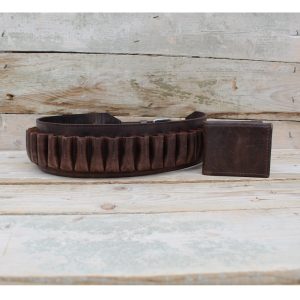
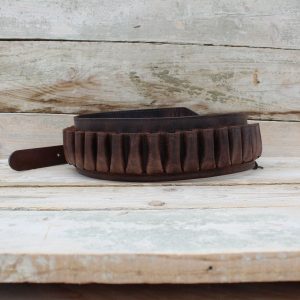
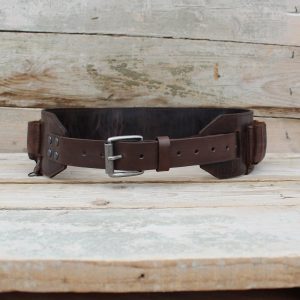
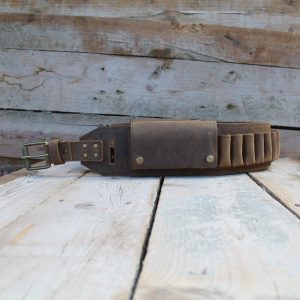
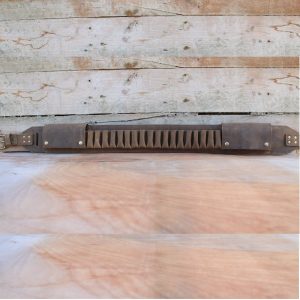
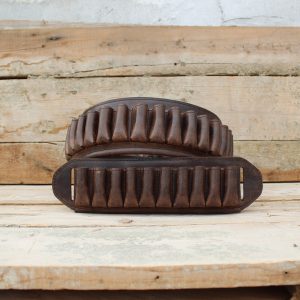
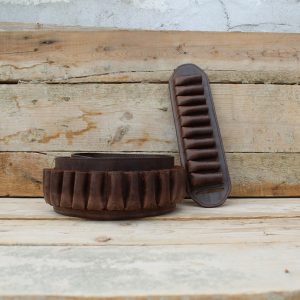
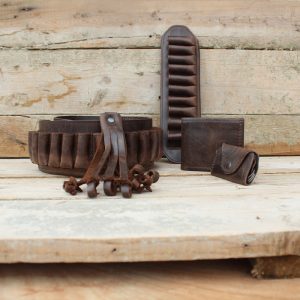
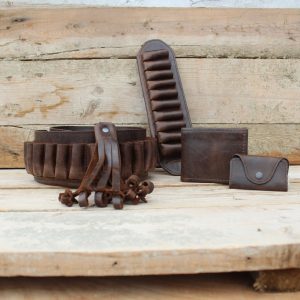
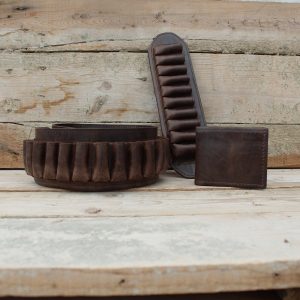
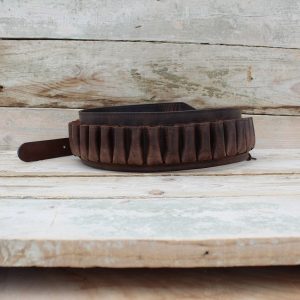
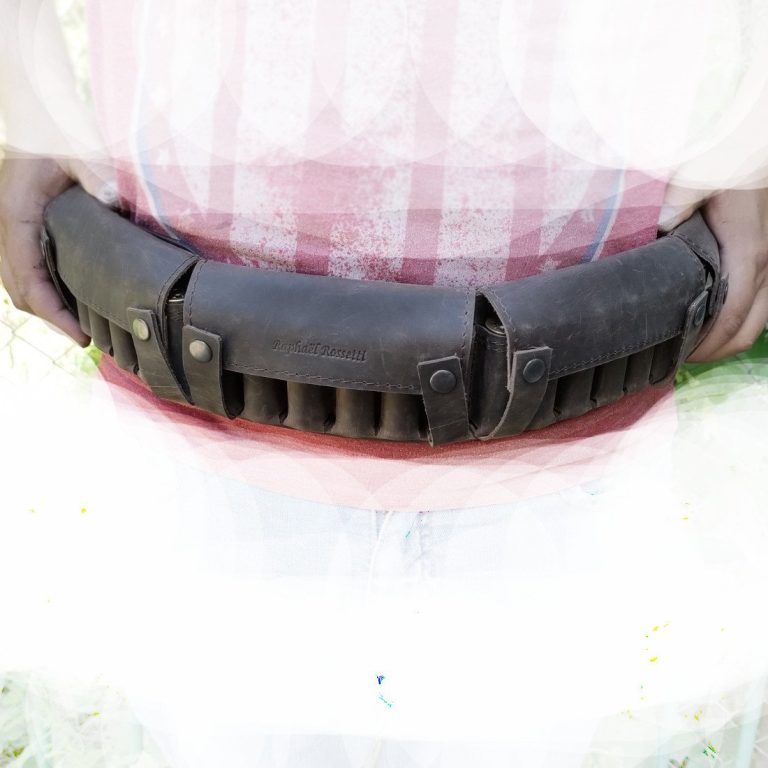
Now that you understand the system, keep your ammunition organized and accessible with our gauge-specific leather cartridge belts. Designed to complement your gear while keeping your shells secure and ready when you need them.
Brown Crazy Horse Leather Shotgun Shell Belt (Cartridge Belt) – 12GA/16GA/20GA/28GA
Original price was: $260.$200Current price is: $200.Custom .30-06 Leather Hunting Set – Slide & Belt
Original price was: $180.$145Current price is: $145.Custom Leather Shotgun Shell Belt (Cartridge Belt) – 12GA/16GA/20GA
Original price was: $310.$210Current price is: $210.Custom Leather Shotgun Shell Belt (Cartridge Belt) Slide
Original price was: $150.$80Current price is: $80.Flap-Closure Leather Shotgun Shell Belt (Cartridge Belt) – 12GA/16GA/20GA
Original price was: $420.$300Current price is: $300.Handmade 308 Winchester Leather Belt Slide
Original price was: $140.$95Current price is: $95.Handmade Black Leather Shotgun Shell Belt (Cartridge Belt)- 12GA/16GA/20GA
Original price was: $300.$190Current price is: $190.Handmade Crazy Horse Leather Shotgun Shell Belt (Cartridge Belt) & Shoulder Bag Set
Original price was: $420.$320Current price is: $320.Handmade Leather Cartridge Belt & Wallet Set – 12GA/16GA/20GA
Original price was: $380.$290Current price is: $290.Handmade Leather Shotgun Shell Belt – 12GA/16GA/20GA
Original price was: $320.$220Current price is: $220.Handmade Leather Shotgun Shell Belt (Cartridge Belt) – 12GA 16GA 20GA
Original price was: $290.$210Current price is: $210.Handmade Leather Shotgun Shell Belt (Cartridge Belt) Slide
Original price was: $120.$70Current price is: $70.Hybrid Flap-Closure Leather Shotgun Shell Belt – 12GA/16GA/20GA
Original price was: $400.$280Current price is: $280.Leather Shotgun Shell Belt – 12GA, 16GA, 20GA
Original price was: $400.$210Current price is: $210.Leather Shotgun Shell Belt (Cartridge Belt) and Slide Matching Set
Original price was: $390.$290Current price is: $290.Matching Set of 2 Leather Shotgun Shell Belt (Cartridge Belt) Slides
Original price was: $200.$140Current price is: $140.Premium Leather Shotgun Shell Belt (Cartridge Belt) – 12GA, 16GA, 20GA
Original price was: $450.$260Current price is: $260.Shotgun Cartridge Belt Slide – 12GA 16GA 20GA
Original price was: $160.$98Current price is: $98.Shotgun Cartridge Belt Slide and Wallet Matching Set
Original price was: $220.$170Current price is: $170.Shotgun Shell Belt and Belt Slide Matching Set – 12GA 16GA 20GA
Original price was: $360.$300Current price is: $300.Shotgun Shell Belt Set – Slide, Wallet & Keychain – 12GA/16GA/20GA
Original price was: $490.$390Current price is: $390.Shotgun Shell Belt, Belt Slide & Wallet Matching Set – 12/16/20GA
Original price was: $400.$360Current price is: $360.