Pheasant hunting is a test of endurance, discipline, and preparation. Long miles across open fields, sudden explosive flushes, shifting winds, and unpredictable flight patterns demand not only skill but reliable equipment.
Among the most overlooked yet essential pieces of gear is the shotgun shell belt.
For pheasant hunters who cover ground methodically and rely on fast follow-up shots, ammunition organization is not a minor detail — it directly influences performance.
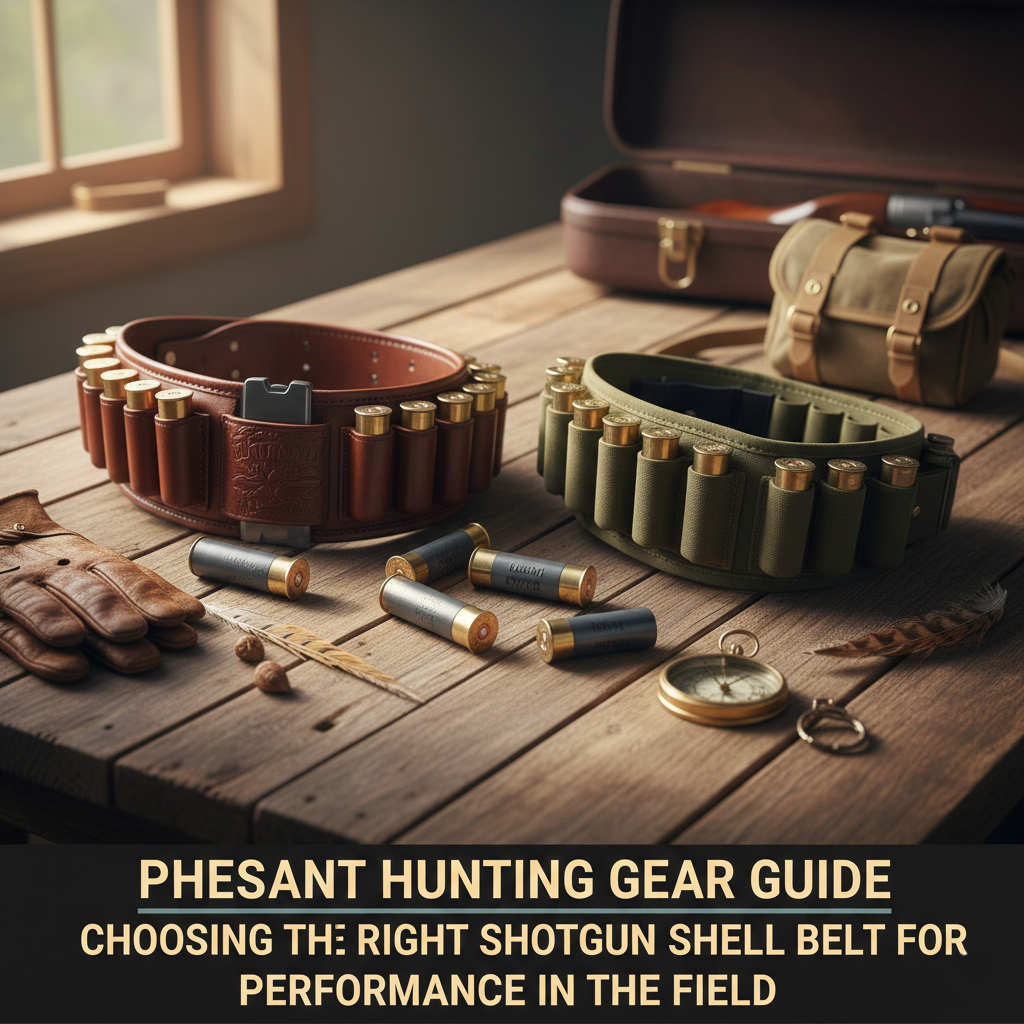
This guide explores how a properly constructed shotgun shell belt enhances efficiency, comfort, and long-term reliability in pheasant hunting.
Understanding the Demands of Pheasant Hunting
Unlike waterfowl hunting, pheasant hunting is active and physically demanding. Hunters often:
- Walk several miles in a single outing
- Move through tall grass, corn stubble, and uneven terrain
- Follow pointing or flushing dogs
- React quickly to unpredictable flushes
Because pheasants are known for explosive takeoffs and strong flight, reload speed and consistent access to shells become critical.
Your gear must move with you, not against you.
Why Ammunition Carry Strategy Matters
Carrying shells loosely in jacket pockets may seem convenient, but it creates several issues:
- Uneven weight distribution
- Slower reload access
- Shell shifting during movement
- Bulk interfering with shotgun mount
A dedicated shotgun shell belt solves these issues by keeping ammunition:
- Evenly spaced
- Securely retained
- Immediately accessible
- Balanced around the waist
The result is smoother reloads and less distraction during active hunts.
Choosing the Right Gauge for Pheasant Hunting
The most common gauges for pheasant hunters include:
12 Gauge
The 12 gauge offers versatility and stopping power. It is ideal for:
- Late-season pheasant
- Longer shots
- Windy field conditions
However, 12GA shells are heavier, making belt structure especially important.
16 Gauge
The 16 gauge is often favored by traditional upland hunters. It provides:
- Balanced recoil
- Efficient shot patterns
- Comfortable carry weight
A well-fitted 16GA belt ensures precise shell retention without excessive tightness.
20 Gauge
For hunters covering long distances or prioritizing lighter setups, 20 gauge offers:
- Reduced recoil
- Lightweight carry
- Faster handling
Regardless of gauge, proper loop sizing is essential. A belt designed specifically for your chosen gauge prevents slippage while maintaining smooth reload access.
Material Matters: Why Leather Remains a Preferred Choice
Pheasant hunting terrain can be harsh on equipment. Belt materials must withstand:
- Abrasion from brush
- Constant bending and twisting
- Temperature fluctuations
- Repeated loading and unloading
Full-grain leather offers structural integrity that synthetic materials often lack. When properly constructed, leather maintains:
- Loop tension
- Shape retention
- Stitch durability
- Long-term reliability
Over time, quality leather develops character while preserving performance.
Comfort Over Long Distances
Pheasant hunters frequently walk for hours at a time. Gear that causes discomfort becomes a distraction.
A properly designed shotgun shell belt should:
- Sit securely at the waist
- Distribute weight evenly
- Prevent sagging when fully loaded
- Allow layering over upland jackets
Balanced weight distribution reduces hip strain and improves overall endurance during extended hunts.
Reload Efficiency and Shooting Rhythm
Pheasant hunting requires fluid transitions from walking to mounting to firing.
A shotgun shell belt enhances reload efficiency by:
- Keeping shells positioned consistently
- Reducing pocket searching
- Supporting muscle memory
When a rooster flushes unexpectedly, your focus should remain on target acquisition — not on locating ammunition.
Consistency in shell placement builds confidence.
Safety and Organization in the Field
Organized ammunition carry is also a safety consideration. Individual loops reduce the risk of:
- Loose shells falling
- Debris entering pocketed shells
- Accidental dropping during movement
Structured carry systems promote responsible field practices.
Personalization and Tradition
Pheasant hunting is often passed from generation to generation. Gear becomes part of family heritage.
Personalized shotgun shell belts — engraved with initials, names, or meaningful dates — reflect that tradition while maintaining full functionality.
Unlike decorative gifts, functional hunting gear carries daily relevance in the field.
Durability Across Seasons
Pheasant seasons vary in conditions. Early season may bring mild weather and tall grass. Late season introduces colder temperatures and heavier clothing layers.
A durable shotgun shell belt must adapt to:
- Layered garments
- Varying shell loads
- Changing terrain
With proper care, high-quality leather belts can serve reliably for decades.
Building a Complete Pheasant Hunting Setup
An optimized pheasant hunting system often includes:
- Properly fitted shotgun
- Appropriate gauge selection
- Supportive footwear
- Functional outerwear
- Organized shell belt
Each component contributes to efficiency and comfort. Ammunition organization should not be overlooked in this system.
Final Thoughts
Pheasant hunting demands physical effort, quick reflexes, and reliable preparation. A well-constructed shotgun shell belt supports:
- Balanced carry
- Faster reloads
- Greater comfort
- Long-term durability
For serious upland hunters, thoughtful gear selection enhances both performance and experience.
Choosing the right shell belt is not simply about storage — it is about efficiency in motion, confidence in preparation, and reliability in the field.
Explore Our Handmade Leather Shotgun Shell Belts
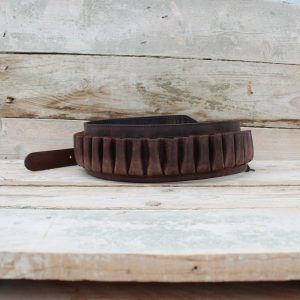
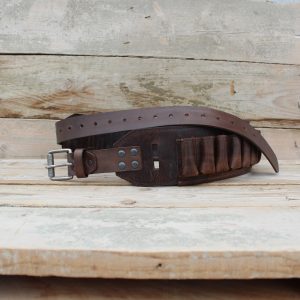
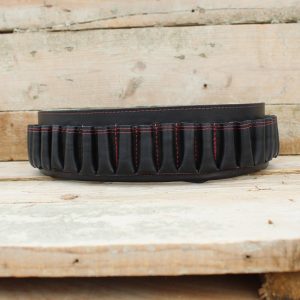
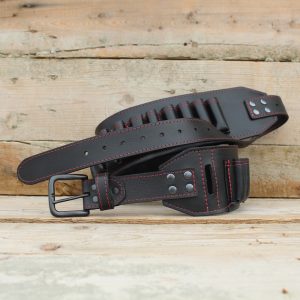
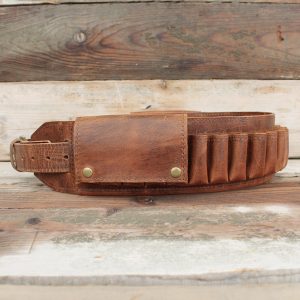
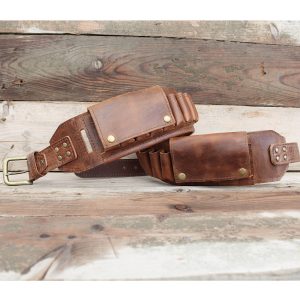
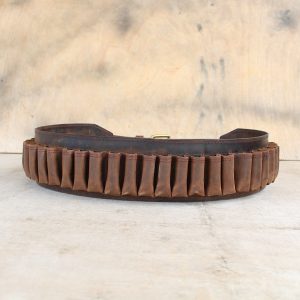
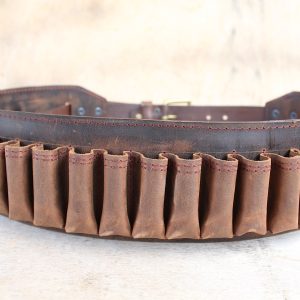
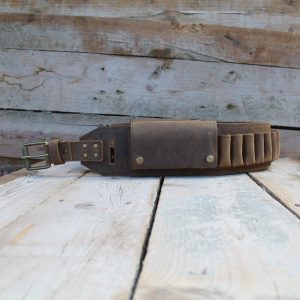
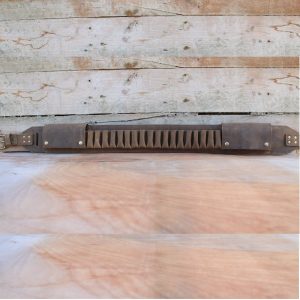
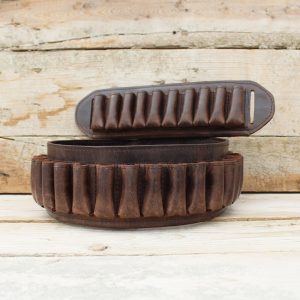
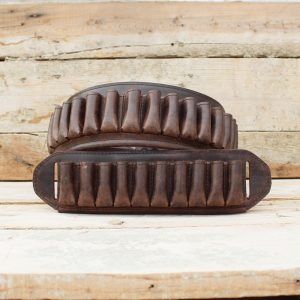
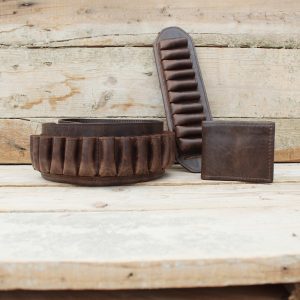
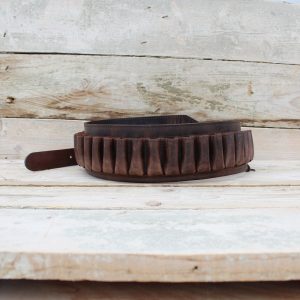
For hunters who demand reliability in the field, we offer a curated collection of Crazy Horse leather shotgun shell belts crafted for 12GA, 16GA, 20GA, and 28GA. Each belt is handmade with reinforced stitching, precision-sized loops, and hardware built for long-term performance in demanding conditions.
Designed for waterfowl and upland hunters alike, our belts balance durability, structure, and refined field presence.
Browse the full collection below.
12 Gauge Leather Cartridge Belt – Handmade Crazy Horse Leather – Custom 12GA • 16GA • 20GA
Original price was: $262.$192Current price is: $192.9.3×62 Cartridge Belt Slide – Handmade Crazy Horse Leather with Flap Closure
Original price was: $100.$80Current price is: $80.Black Leather Cartridge Belt – Handmade for 12GA • 16GA • 20GA
Original price was: $262.$191Current price is: $191.Brown Crazy Horse Leather Cartridge Belt– 12GA/16GA/20GA/28GA
Original price was: $260.$193Current price is: $193.Custom .30-06 Leather Hunting Set – Cartridge Slide & Belt
Original price was: $146.$145Current price is: $145.Custom Leather Cartridge Belt – Handmade Crazy Horse | 12GA, 16GA & 20GA
Original price was: $310.$210Current price is: $210.Custom Leather Cartridge Belt Slide
Original price was: $150.$80Current price is: $80.Dual-Flap Leather Cartridge Belt – Handmade for 12GA • 16GA • 20GA
Original price was: $265.$195Current price is: $195.Flap-Closure Leather Cartridge Belt – 12GA • 16GA • 20GA
Original price was: $420.$300Current price is: $300.Handmade .308 Winchester Leather Cartridge Belt Slide
Original price was: $140.$95Current price is: $95.Handmade Crazy Horse Leather Cartridge Belt & Shoulder Bag Set | 12GA • 16GA • 20GA • 28GA
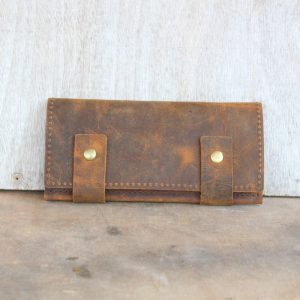
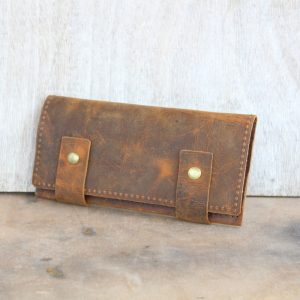
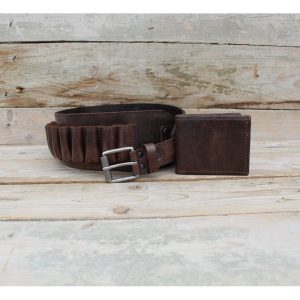
Original price was: $420.$299Current price is: $299.Handmade Leather Cartridge Belt & Wallet Set – 12GA/16GA/20GA
Original price was: $380.$290Current price is: $290.Handmade Leather Cartridge Belt Slide
Original price was: $120.$70Current price is: $70.Heritage Leather Cartridge Belt – Handmade for 12GA • 16GA • 20GA
Original price was: $270.$191Current price is: $191.Hybrid Leather Cartridge Belt – 12GA • 16GA • 20GA
Original price was: $400.$280Current price is: $280.Leather Cartridge Belt & Cartridge Belt Slide Set – Handmade for 12GA • 16GA • 20GA
Original price was: $300.$240Current price is: $240.Leather Cartridge Belt & Matching Slide Set
Original price was: $390.$290Current price is: $290.Leather Cartridge Belt, Cartridge Belt Slide & Wallet Set – Handmade for 12GA • 16GA • 20GA
Original price was: $360.$290Current price is: $290.Matching Set of 2 Leather Cartridge Belt Slides
Original price was: $200.$140Current price is: $140.Personalised Crazy Horse Leather Cartridge Belt | 12GA • 16GA • 20GA
Original price was: $290.$190Current price is: $190.