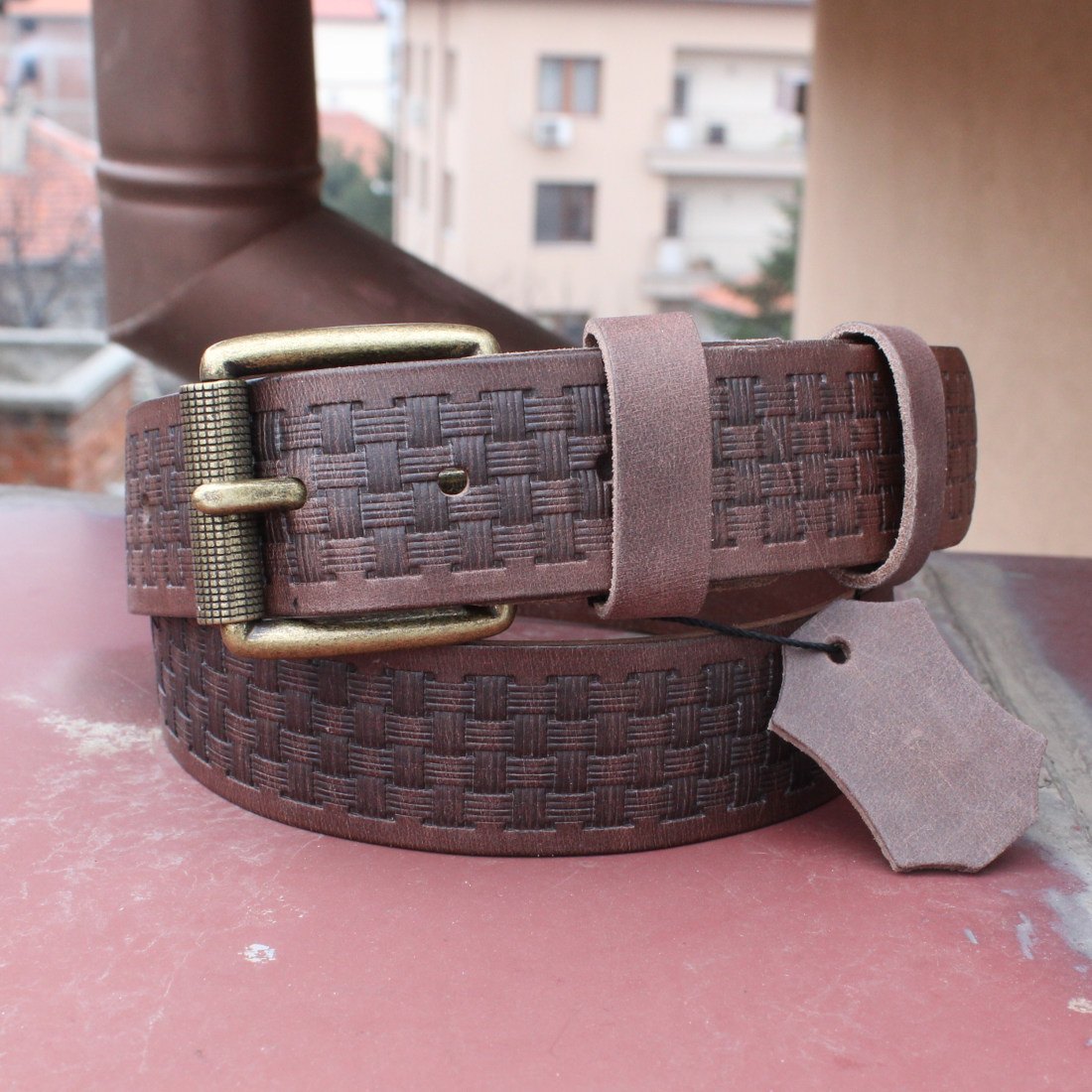
On a construction site, every piece of equipment is scrutinized for its ability to perform under pressure. From the boots that provide foundation to the hard hat that protects, functionality is non-negotiable. So why is the one item that literally holds everything together—your belt—often an afterthought? For the professional builder, a quality belt isn’t about fashion; it’s a critical piece of site-ready gear that must withstand the most demanding conditions. Here’s your blueprint for choosing a leather belt that works as hard as you do.
The Job Site Stress Test: Where Ordinary Belts Fail
A construction site is a gauntlet of abuse that will destroy a standard belt in a season. The failures are predictable:
► Stress Fractures: The constant heavy weight of a tool pouch, coupled with bending and kneeling, causes weak leather to stretch and distort permanently, and cheap stitching to blow out.
► Elemental Breakdown: Direct sun bakes and cracks leather, while rain and humidity cause untreated belts to warp, mildew, and lose their structural integrity.
► Abrasion & Tear: Concrete blocks, rebar, and rough lumber act like sandpaper, scuffing and tearing the surface of low-quality leather.
► Buckle Failure: A flimsy, protruding buckle can snag on scaffolding or machinery, presenting a real safety hazard, not to mention scratching finished surfaces.
The Builder’s Blueprint: Specs for a Job-Site-Ready Belt
Your belt should be as over-engineered as the structures you build. Here are the non-negotiable features:
1. The Leather: Tough as Nails
You need full-grain, oil-tanned or waxed leather. This isn’t the leather for a boardroom; it’s leather for a build site.
► Oil/Wax Infusion: This treatment makes the leather naturally water-resistant and incredibly supple, preventing it from cracking in dry heat or becoming stiff after being caught in the rain.
► Pull-Up Effect: This characteristic of oil-tanned leather means scratches and scuffs from brushing against materials blend into the surface, becoming part of its rugged character rather than permanent damage.
2. The Buckle: Secure & Snag-Free
The buckle must be a tool, not a trinket.
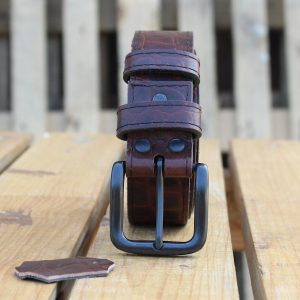
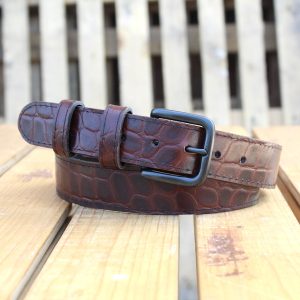
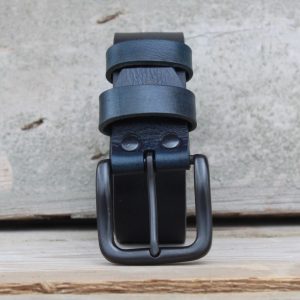
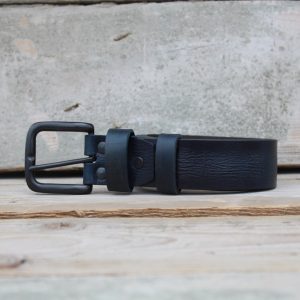
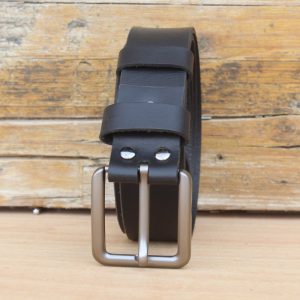
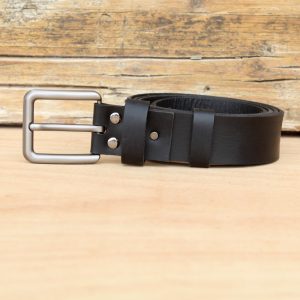
► Solid, Forged Metal: Look for a one-piece, heavy-duty buckle (like solid brass or steel) that can handle stress without bending.
► Low-Profile & Rounded: A design that sits flush and has no sharp edges is crucial to prevent catching on ladders, scaffolding, or building materials.
3. The Construction: Engineered for Load-Bearing
This is where craftsmanship meets brute strength.
► Reinforced Stitching: Double or saddle-stitching with heavy-duty thread is essential. This technique creates a redundant seam; if one thread fails, the other holds.
► Substantial Thickness: A belt in the 10-12 oz. (1/4 inch) thickness range provides the necessary rigidity to support a loaded tool pouch without rolling or folding over.
Finding Your Perfect Fit: Belt Styles for the Job
Depending on your specific role and needs, here are the types of belts to look for in our collection:
► The Heavy-Duty Rigid Belt: If you’re a framer, roofer, or frequently carry a heavy tool pouch, this is your belt. Look for descriptions like “rigid,” “thick,” or “heavy harness leather.” This style offers maximum support and resists stretching under heavy loads, acting as a reliable foundation for your tools.
► The All-Weather Flexible Belt: For general contractors, finishers, or those who need a balance of comfort and durability, this style is ideal. Seek out belts made from “oil-tanned” or “waxed” leather that are noted for their “flexibility.” This belt will break in beautifully, move with you all day, and stand up to unpredictable weather without stiffening.
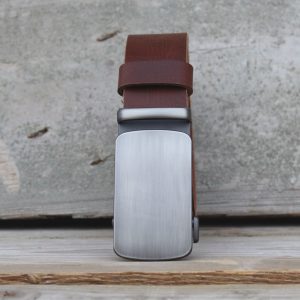
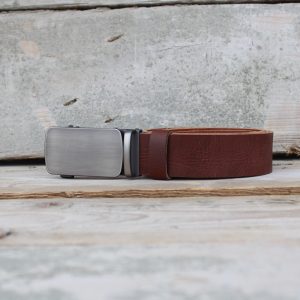
► The Reinforced Pouch Belt: Designed specifically for belt-worn tool carriers, this type often features a stitched-in center loop on the back to securely anchor a pouch holder, preventing it from sliding around. It combines the rigidity needed for support with practical features for tool organization.
Conclusion: Don’t Compromise Your Foundation
You trust your tools, your boots, and your safety equipment. Your belt deserves the same level of trust. It’s the foundational layer that carries the load, endures the elements, and stands up to the daily grind. By choosing a belt built with the right specs, you’re not just buying an accessory—you’re investing in a piece of gear that enhances your efficiency and comfort on site.
Ready to equip yourself with the durability your profession demands? Explore our full collection of work belts to find the perfect match for your trade.
Baroque-Style Leather Belt – Distressed White
Original price was: $105.$80Current price is: $80.Biker Leather Belt Skull & Swords
Original price was: $150.$90Current price is: $90.Black Ratchet Leather Belt
Original price was: $130.$85Current price is: $85.Brown Ratchet Leather Belt
Original price was: $140.$90Current price is: $90.Classic Men’s Black Leather Belt
Original price was: $140.$86Current price is: $86.Crocodile Print Burgundy Leather Belt
Original price was: $120.$95Current price is: $95.Dark Blue Suede Belt with Yellow Stitching
Original price was: $140.$102Current price is: $102.Elegant Men’s Black Leather Belt
Original price was: $150.$89Current price is: $89.Elegant Two-Buckle Leather Belt Dark Brown
Original price was: $130.$90Current price is: $90.Handmade Cognac Leather Belt
Original price was: $109.$76Current price is: $76.Handmade Indigo Leather Belt for Men
Original price was: $135.$89Current price is: $89.Leather Belt with Horseshoe & Horse Head Buckle
Original price was: $140.$88Current price is: $88.Leather Belt with Metallica Buckle
Original price was: $139.$89Current price is: $89.Men’s Classic Black Leather Belt
Original price was: $125.$87Current price is: $87.Men’s Dark Brown Leather Belt with Red Stitching
Original price was: $130.$90Current price is: $90.Men’s Dark Indigo Leather Belt with Plate Buckle
Original price was: $140.$85Current price is: $85.Men’s No-Hole Leather Belt
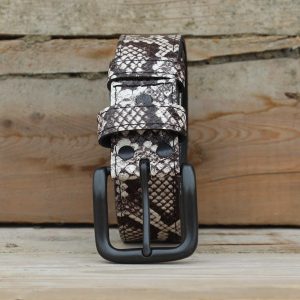
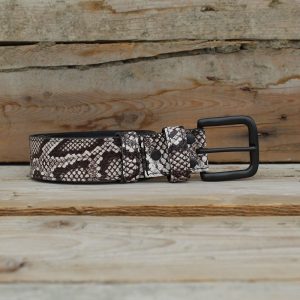
Original price was: $140.$86Current price is: $86.Python Print Leather Belt – Black & White
Original price was: $150.$95Current price is: $95.Ratchet Shagreen Leather Belt
Original price was: $120.$83Current price is: $83.Skull Embossed Leather Belt with “Live to Ride” Buckle
Original price was: $140.$85Current price is: $85.