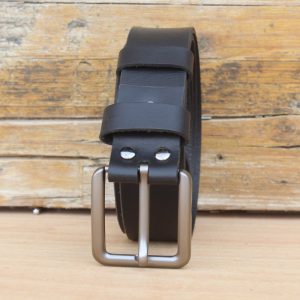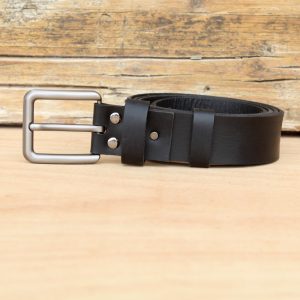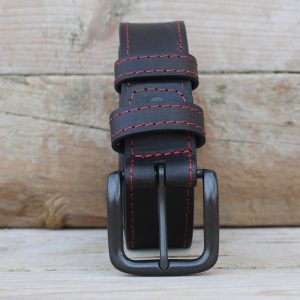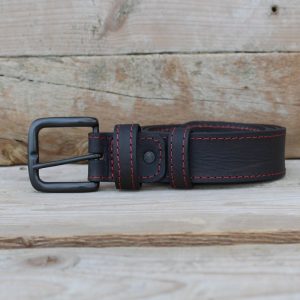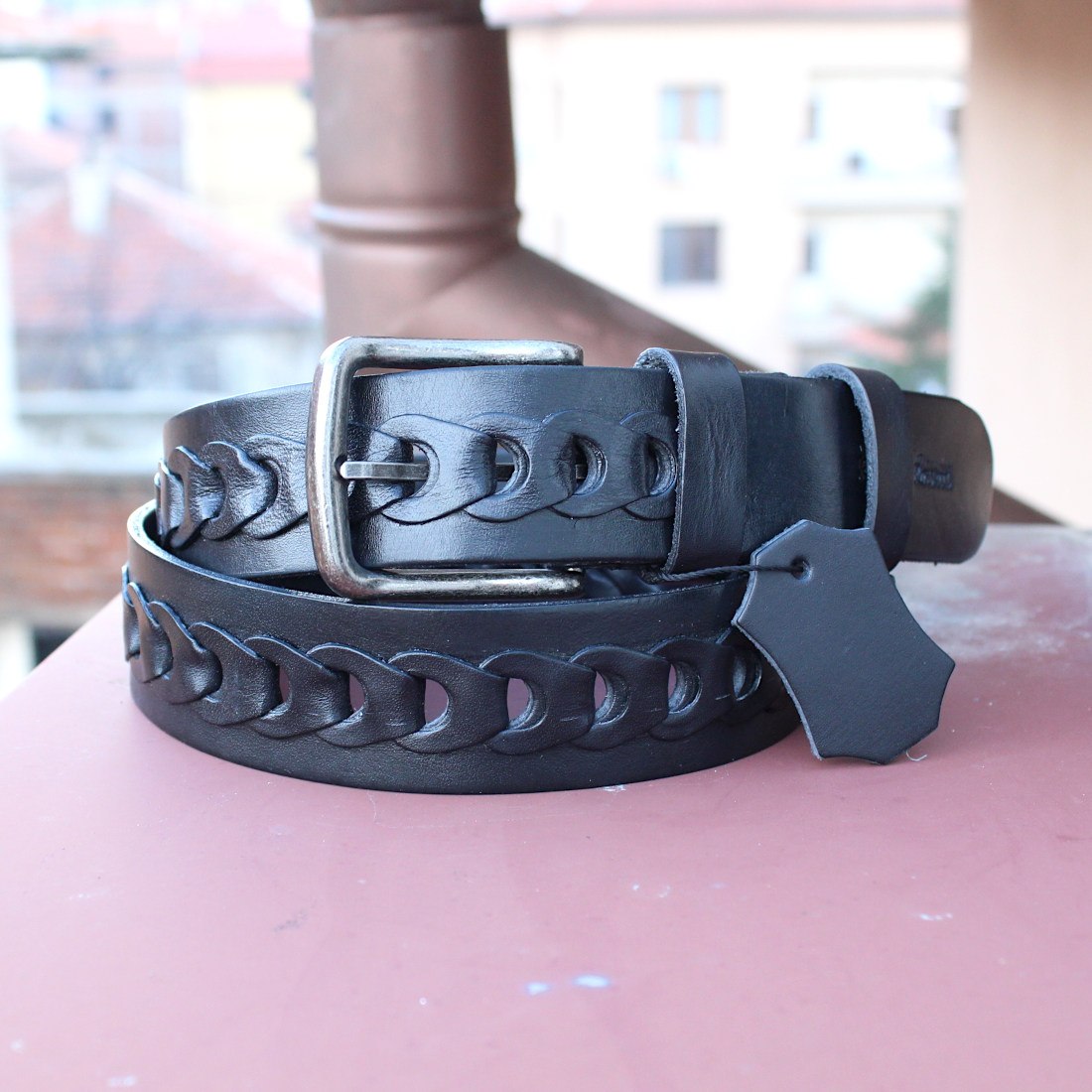
For a mechanic or auto technician, the workshop is a world of extreme conditions: abrasive surfaces, harsh chemicals, and the constant friction of leaning over an engine bay. An ordinary belt is a liability—it will crack, stain, and fail when you need it most. The right belt, however, is a essential piece of gear, as crucial as a good wrench. It needs to be more than stylish; it needs to be a workhorse. Here’s why a specific kind of full-grain leather belt is the only choice for professionals who work with their hands.
Why Your Current Belt is Failing (And What to Look For)
The average department store belt is simply not engineered for the garage. It’s often made from bonded leather or low-quality hides coated in plastic, which is vulnerable to:
► Oil & Chemical Degradation: Fluids like motor oil, brake cleaner, and transmission fluid will break down the finishes on cheap belts, causing them to become brittle and crack.
► Abrasion & Snagging: Rough engine blocks, concrete floors, and tool benches will quickly scuff and tear a thin belt.
► Buckle Failure: A protruding or poorly finished buckle can scratch a customer’s paint job or snag on a crucial engine component.
The Garage-Tested Specs: Your Belt’s Required Features
1. The Leather: Oil-Infused Full-Grain
Forget shiny or painted finishes. You need a belt crafted from oiled or waxed full-grain leather. This is the toughest part of the hide, and the oil-tanning process does two critical things:
It resists fluid penetration, causing oil and grease to bead up on the surface, where they can be wiped away without leaving a permanent stain.
It creates a “pull-up” effect, where the leather temporarily lightens when stretched or bent, hiding scuffs and scratches that would permanently mar a finished leather.
2. The Buckle: Low-Profile & Snag-Free
The buckle must be as functional as the leather. Look for:
► A Solid, One-Piece Design: No moving parts to break or weak prongs to bend.
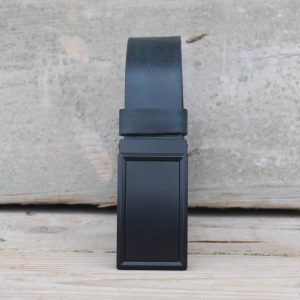
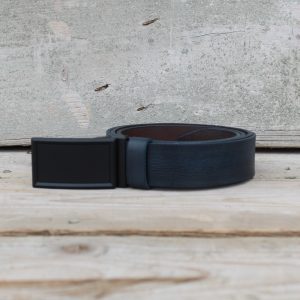
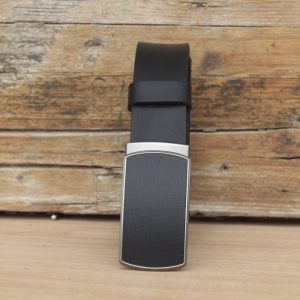
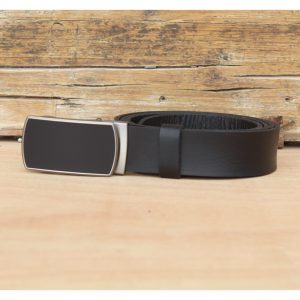
► Rounded, Beveled Edges: This prevents sharp corners from scratching a car’s clear coat or snagging on wiring and hoses.
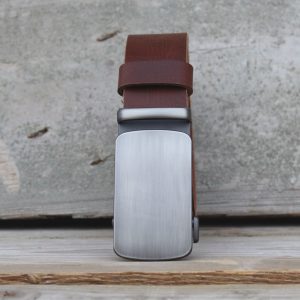
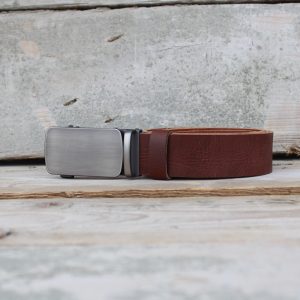
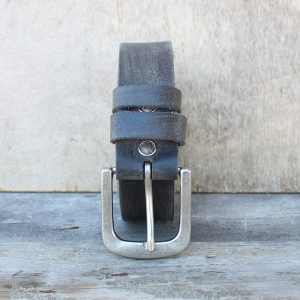
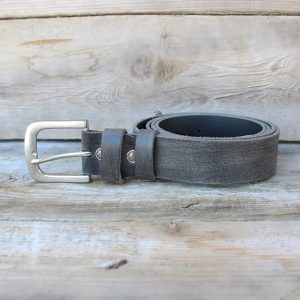
► A Durable Finish: A matte black or brushed nickel finish is ideal, as it will hide scratches better than a polished, shiny surface.
3. The Construction: Built for Constant Stress
The belt must withstand constant bending, twisting, and the strain of holding up tools. This requires:
► Robust Stitching: Heavy-duty, bonded nylon thread that won’t fray or rot when exposed to chemicals.
► A Solid, Non-Corrosive Keeper: The loop that holds the tail should be firmly attached and made of a material that won’t rust.
Our Top Pick: The Mechanic’s Belt
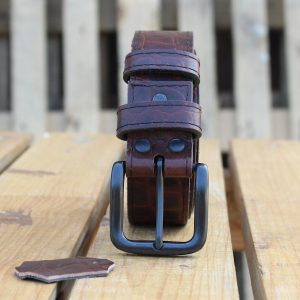
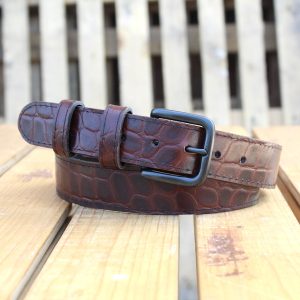
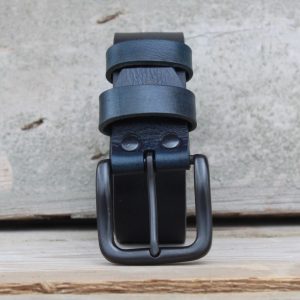
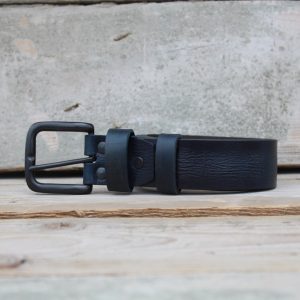
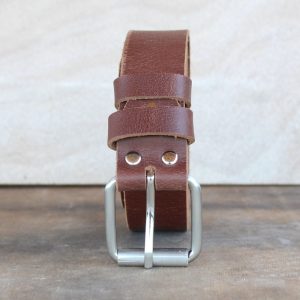
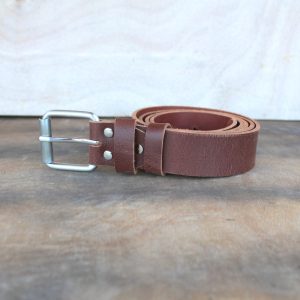
At Raphael Rossetti, we engineered our Workhorse Belts specifically for this environment.
► Material: American-made, oil-tanned full-grain leather that is naturally water and stain-resistant.
► Durability: Thick, single-piece construction that provides exceptional support without stiffness.
► Buckle: A custom-designed, low-profile solid brass buckle with beveled edges that will not snag or scratch.
► Aging: This belt won’t look destroyed after a year; it will look experienced. The oil-tanned leather develops a unique, rugged patina that tells the story of hard, honest work.
More Than an Accessory: It’s Essential Gear
A mechanic’s belt is a tool. It needs to be as reliable, durable, and functional as the rest of the kit on your bench. It’s the foundation that holds everything together, through every oil change, tire rotation, and complex engine repair.
Stop replacing your belt every year. Invest in one that’s built for the job. Explore our Workhorse Belts — the only belt tough enough for the garage.
Baroque-Style Leather Belt – Distressed White
Original price was: $105.$80Current price is: $80.Biker Leather Belt Skull & Swords
Original price was: $150.$90Current price is: $90.Black Leather Belt with Hidden Knife Buckle – Horse Design
Original price was: $152.$95Current price is: $95.Black Ratchet Leather Belt
Original price was: $130.$85Current price is: $85.Brown Ratchet Leather Belt
Original price was: $140.$90Current price is: $90.Classic Men’s Black Leather Belt
Original price was: $140.$86Current price is: $86.Crocodile Print Burgundy Leather Belt
Original price was: $120.$95Current price is: $95.Dark Blue Suede Belt with Yellow Stitching
Original price was: $140.$102Current price is: $102.Elegant Men’s Black Leather Belt
Original price was: $150.$89Current price is: $89.Elegant Two-Buckle Leather Belt Dark Brown
Original price was: $130.$90Current price is: $90.Handmade Cognac Leather Belt
Original price was: $109.$76Current price is: $76.Handmade Indigo Leather Belt for Men
Original price was: $135.$89Current price is: $89.Handmade Men’s Brown Leather Belt – Pull-Up Effect
Original price was: $122.$92Current price is: $92.Handmade Vintage Black Leather Belt – Italian Cowhide | Retro Style
Original price was: $120.$91Current price is: $91.Leather Belt with Horseshoe & Horse Head Buckle
Original price was: $140.$88Current price is: $88.Leather Belt with Metallica Buckle
Original price was: $139.$89Current price is: $89.Men’s Classic Black Leather Belt
Original price was: $125.$87Current price is: $87.Men’s Dark Brown Leather Belt with Red Stitching
Original price was: $130.$90Current price is: $90.Men’s Dark Indigo Leather Belt with Plate Buckle
Original price was: $140.$85Current price is: $85.Men’s No-Hole Leather Belt
Original price was: $140.$86Current price is: $86.